MobileCrunch |  |

- DELL STREAK PRO 101DL (An Android PHONE) With Super AMOLED Display To Hit Japan 2012
- Android Phone + Lumix Camera = Panasonic’s LUMIX Phone 101P For Japan
- Sharp’s New Android Phone: Waterproof Body, 4.5-Inch 3D QHD Display, 12MP Cam, DLNA
- The Planets Are Aligned: Facebook’s Spartan And iPad Projects Set To Launch Early Next Week
- Oh, Nokia. Another 3,500 People Laid Off, Manufacturing Operations Trimmed Down
- Official Flickr App Arrives For Android
- Lucky eBay Buyer Demos Ice Cream Sandwich On Video
- Microsoft Wants To Pick Your Brain For Windows Phone Tweaks
- Which Wireless Carrier Stores Your Private Data The Longest?
- Microsoft Responds To Google’s Extortion Claim: “Waaaah.”
- Google On Microsoft’s Android Patent Tactics: It’s Extortion
- The Kindle Fire Pulls All Of Amazon’s Cloud Media Onto A Tablet
- Samsung Taps Intel To Build A New Linux-Based Open Source Platform: Tizen
- Wheelz: Automotive Veterans Launch P2P Campus Car Sharing Platform Backed By Former Facebook VP
- The Kindle Fire Will Have A Whole New “Cloud Accelerated” Mobile Browser Called Amazon Silk
- Report: 41% Of North American Mobile Users To Buy The iPhone 5
- Samsung And Microsoft Ink Deal For Cross-Licensing Patents, Developing Windows Phone
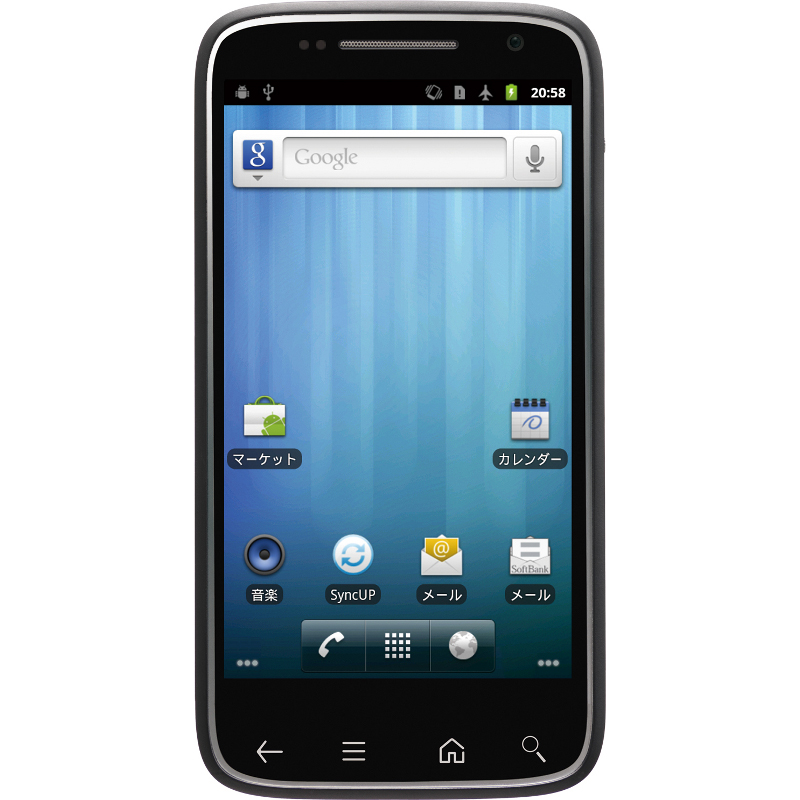
| DELL STREAK PRO 101DL (An Android PHONE) With Super AMOLED Display To Hit Japan 2012 Posted: 29 Sep 2011 04:41 AM PDT  And here’s the third phone from Japanese carrier SoftBank‘s fall/winter line-up that deserves a dedicated article: it’s the so-called DELL STREAK PRO 101DL [JP], which the company will start offering to its subscribers in January 2012 (price tbd). And this isn’t an Android tablet but a phone. And judging by the specs, it’s going to be quite a nice one:
Here’s how the phone looks like from the back: Japanese tech news site Keitai Watch reports that there are global sales plans for the DELL STREAK PRO 101DL but that Japan will get the device first.
|
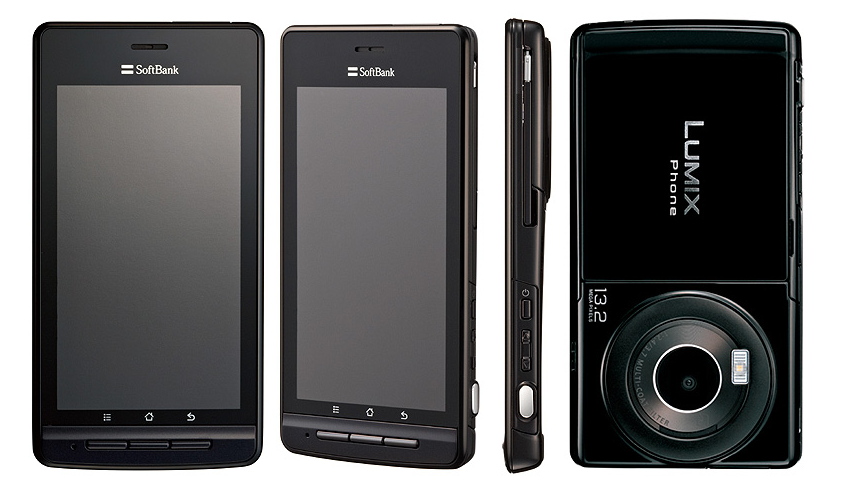
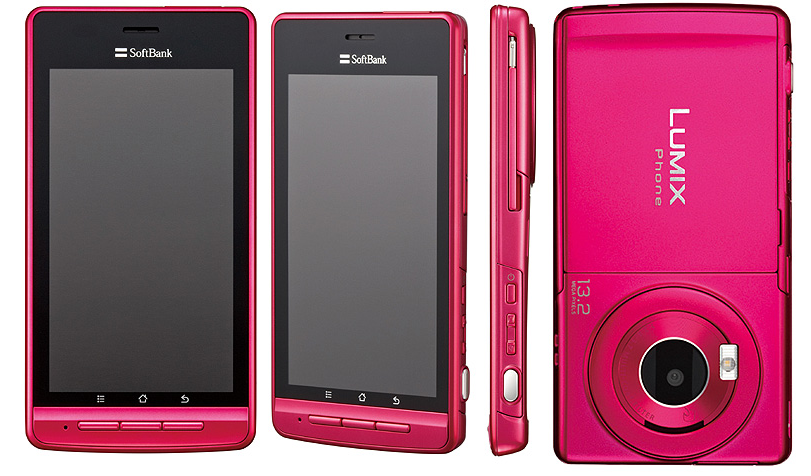
| Android Phone + Lumix Camera = Panasonic’s LUMIX Phone 101P For Japan Posted: 29 Sep 2011 03:38 AM PDT  Sharp’s AQUOS PHONE 102SH wasn’t the only cool Android phone to hit the Japanese market today. Local carrier SoftBank will also start distributing the so-called LUMIX Phone 101P [JP] as part of its fall/winter line-up of new cell phones in November. Made by Panasonic, the Android device is designed to be a mix between a phone and a digital camera (and it sure looks like it). Here’s a list of the main specs:
No word yet from Panasonic regarding pricing or a possible international sales plan.
|
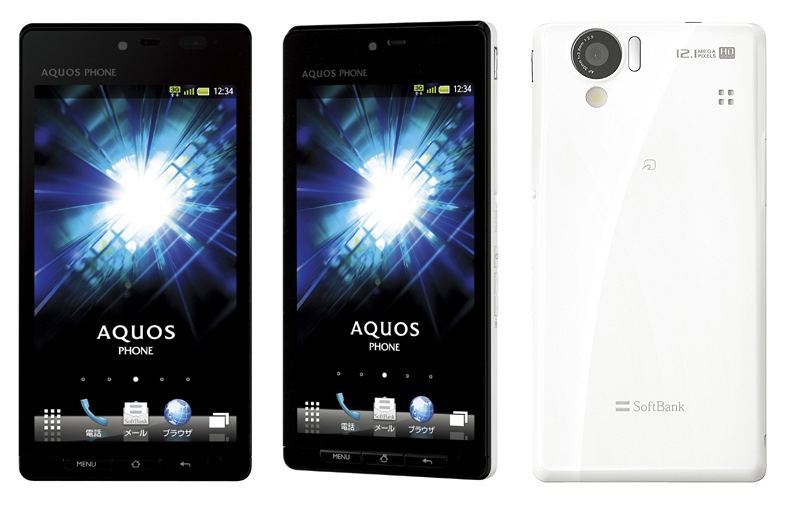
| Sharp’s New Android Phone: Waterproof Body, 4.5-Inch 3D QHD Display, 12MP Cam, DLNA Posted: 29 Sep 2011 02:05 AM PDT 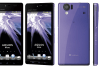 Sharp has been producing quite a few nice Android phones for the Japanese market lately (with a 25% share, it’s the leading manufacturer over here), and today, the company introduced [JP] another great-looking handset, the AQUOS PHONE 102SH. Local carrier SoftBank will start distributing the phone in Japan in December as part of its fall/winter line-up. And there can be now doubt that subscribers can get a real monster with this model. Here are the main specs:
Will this phone ever make it outside Japan? Maybe: back in May, Sharp said they would introduce the AQUOS PHONE worldwide at some point in the future…
|
| The Planets Are Aligned: Facebook’s Spartan And iPad Projects Set To Launch Early Next Week Posted: 29 Sep 2011 01:25 AM PDT  Earlier tonight, Alexia found and posted some screenshots of something that sure looked a lot like the mythical “Project Spartan“. Shortly thereafter, Facebook took down the page in question. And for good reason. That was Project Spartan, we’ve now confirmed. Whoops. Well, to be fair, I’ve heard numerous times that they don’t actually call it that internally. That may be a name that external developers use. No matter — we all know what I mean. It’s the HTML5-based mobile platform that Facebook has been building in secret for months. And now it’s done. In fact, it has been done for a while. From what I hear, it has been waiting on one thing… And that’s where things get really interesting. At the risk of sounding like The Boy Who Cried Wolf, I’m just going to say it: Facebook’s iPad app is about to launch. That too has been ready to go for a while now, but it has been held up by some internal back-and-forth between Apple and Facebook. And Project Spartan has been waiting on that iPad app. Earlier this week, Mashable reported that Facebook’s iPad app would launch at Apple’s iPhone event this coming Tuesday. For what it’s worth, we’ve heard Facebook is actually planning to launch the iPad app at their own iPad/Spartan event on Monday. But they’re still discussing all of this with Apple. And Apple has been well known to change things at the last second. It is possible that they want Facebook to launch this on stage at their event to showcase some of the new HTML5 capabilities of iOS 5 (which will also be formally unveiled at the event). I believe the Monday launch is a fallback option. Facebook is apparently ready to go with or without Apple. Last week, we noted that the main developer of Facebook’s iPad app left in frustration over delays with the app. Again, this is all about the Facebook/Apple relationship. Don’t believe the app was pretty much ready to go a couple of months ago? Then why was it in the live code? Spartan has also been delayed a few times. More recently, we’ve been hearing a lot about the collaboration between Apple and Facebook on the project. The two (Facebook iPad and Facebook Spartan) are now joined at the hip, it seems. One will not launch without the other. And apparently, all of this is with Apple’s blessing. But make no mistake, the relationship between the two companies is tenuous at best. Both know that they’d probably be better of working together, but both also believe that they don’t actually need each other. Hence, the dancing we’ve been seeing and hearing about. The two are frenemies. But the launch of Google+ has made one common enemy very clear… This time it sure looks like the planets are aligning. Sources on both side suggest a major Facebook/Apple/iPad/HTML5 announcement happening early next week one way or another. This time I wouldn’t bet against it. Facebook is the world’s largest social network, with over 500 million users. Facebook was founded by Mark Zuckerberg in February 2004, initially as an exclusive network for Harvard students. It was a huge hit: in 2 weeks, half of the schools in the Boston area began demanding a Facebook network. Zuckerberg immediately recruited his friends Dustin Moskowitz and Chris Hughes to help build Facebook, and within four months, Facebook added 30 more college networks. The original idea for the term... Started by Steve Jobs, Steve Wozniak, and Ronald Wayne, Apple has expanded from computers to consumer electronics over the last 30 years, officially changing their name from Apple Computer, Inc. to Apple, Inc. in January 2007. Among the key offerings from Apple’s product line are: Pro line laptops (MacBook Pro) and desktops (Mac Pro), consumer line laptops (MacBook) and desktops (iMac), servers (Xserve), Apple TV, the Mac OS X and Mac OS X Server operating systems, the iPod (offered with...
|
| Oh, Nokia. Another 3,500 People Laid Off, Manufacturing Operations Trimmed Down Posted: 29 Sep 2011 12:45 AM PDT  Nokia this morning announced “plans to take additional actions to align its workforce and operations”. You know what that means: mass layoffs and then some. In a press release, the Finnish mobile giant says it will reduce its staff by at least 3,500 employees by the end of 2012. Nokia also says there will be reductions in manufacturing; the company is closing its manufacturing facility in Romania by the end of this year and says it will be doubling down on its Asian factories instead. Nokia will also “review the long-term role” of its manufacturing operations in Salo (Finland), Komarom (Hungary) and Reynosa (Mexico). Less than half a year ago, Nokia cut 4,000 jobs and transferred another 3,000 Symbian employees to Accenture. We assume the layoffs announced today are in addition to those cuts. In a separate statement, Nokia says it has found a new executive chairman for Nokia Siemens Networks (current chairman Olli-Pekka Kallasvuo is stepping down), and that it is investing another 500 million euros (roughly $682 million) in the business – as will its partner Siemens. Joy to the world! What a trainwreck. Full press release:
Nokia is a Finnish multinational communications corporation. It is primarily engaged in the manufacturing of mobile devices and in converging Internet and communications industries. They make a wide range of mobile devices with services and software that enable people to experience music, navigation, video, television, imaging, games, business mobility and more. Nokia is the owner of Symbian operation system and partially owns MeeGo operating system.
|
| Official Flickr App Arrives For Android Posted: 28 Sep 2011 04:20 PM PDT 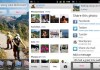 Being an Android user as well as a Flickr user has been dangerous territory for quite a long time now. There’s been no official app, and the third-party ones haven’t been too hot. Luckily for us, Yahoo has finally dropped a Flickr app that not only has their official blessing, but doesn’t suck at all. It’s quite full-featured, not just a photostream browser. You can, of course, look at your own pictures or those of others, and the experience is pleasant and Flickr-y. You can even directly download the full-size images to email or use as wallpaper. The app starts up in your activity stream, though, where your recent favorites and so on are shown. Naturally nobody likes my photos, but I assume more accomplished photographers will welcome the easy access to recent comments and favorites. There’s a nice little camera app in there, too. You can choose different aspect ratios, apply filters (named after places and imperfectly represented in the menu), add details, and send directly to social networks or email addresses. And naturally they go right into your Flickr account as well. Here’s one I took for demonstration purposes. It has the “Java” filter applied. Not an Instagram-killer by any means, but again, Flickr lovers will like it. Unfortunately you can’t add to sets, which would be handy for keeping your mobile shots separate from your “real” pictures. It’s a solid little app if you’ve got the bandwidth for it (you might want to use the wi-fi) and don’t need any of the more advanced features like groups and collections. Hopefully they’ll expand the community portion a little more in the next release. More screenshots and info can be found in the Android Market. The app is just called “Flickr” and is published by Yahoo Inc, in case it doesn’t show up for your search right away.
|
| Lucky eBay Buyer Demos Ice Cream Sandwich On Video Posted: 28 Sep 2011 03:41 PM PDT 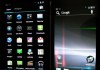 Why is it that random eBay shoppers always seem to have the best luck? In what has to be one of the most fortuitous purchases I’ve seen in a while, someone picked up a Nexus S off of the auction site that just happened to be running a build of Google’s latest Android update: Ice Cream Sandwich. Well, that’s the story, anyway. Thankfully, our lucky buyer was able to contain his or her excitement long enough to take some pictures and video and send them to Engadget. The images in question look remarkably close to a handful of Ice Cream Sandwich pictures that leaked last month, but the video manages to explore ICS with a bit more depth. The phone’s lockscreen, for example, bears more than a passing resemblance those seen on scores of Honeycomb tablets. On top of that, holding down the Home button brings up a new multitasking menu that allows users to quickly jump from between apps. Otherwise, all of the changes in design language we spotted last time are still around. If I may quote myself:
It’s always good to have a grain of salt at the ready when something like this happens, but this new media lends a bit of credence to the original leak. Either someone is pulling the strings on an elaborate hoax here, or Ice Cream Sandwich will look as it does here when it finally ships within the next month or two. Credit to Engadget for the video, and Droid-Life for throwing it on YouTube
|
| Microsoft Wants To Pick Your Brain For Windows Phone Tweaks Posted: 28 Sep 2011 01:16 PM PDT  Mango has already begun to trickle out into the wild, and Microsoft is still trying to figure out exactly what their Windows Phone users want. Case in point: they’ve just unveiled their new Suggestion Box, where users can submit and vote for ideas that they would like to see implemented in Windows Phone 7. All snark aside, it’s a much better alternative to shooting your ideas out into the ether via Twitter, as the Windows Phone Blog is quick to point out. By centralizing all of their users suggestions, Microsoft can look at potential improvements and see where user priorities lay. Despite only being open for the past few hours, a few ideas (like the three above) are already picking up steam among the Windows Phone fanbase. For the most part, the ideas tend to range from completely reasonable (a user named DevilSpawn wants less finicky capacitive keys), to the impossible (oggyb wants all existing Windows Phones to be able to wirelessly tether, even though some devices just don’t have the hardware for it). Out of this first batch of ideas, my favorite comes from Timo, who wants to see deep GroupMe integration in Windows Phone to “enable free global texting” to anyone. While it’ll almost certainly never happen, it’s at least theoretically possible: Skype has recently acquired GroupMe, and Microsoft not-so-recently acquired Skype. Also interesting is the fact that Microsoft’s use of UserVoice means people won’t be able to stuff the ballot boxes. Users are limited to a total of 10 votes, and you can only give a particular submission up to 3 of them. Once an idea is accepted for consideration, those votes go right back to your pile for use on another worthy submission. With the site still in its infancy, none of the submissions have gained enough traction to warrant a further look from Team Windows Phone. Methinks Microsoft is trying to live up to their new tagline here, but let’s see if anything actually comes of it.
|
| Which Wireless Carrier Stores Your Private Data The Longest? Posted: 28 Sep 2011 12:29 PM PDT  Your cell phone knows all sorts of stuff about you. It knows where you’ve been, which websites you’ve visited, who you call most, and, depending on how many times you’ve found yourselves drunk with your cell phone handy, what you look like without pants on. But still, you can be comforted in knowing that all of that information can be destroyed with little more than a brick and a bit of unchecked rage. But what about the stuff that doesn’t live on your phone? The other half of the wireless formula, the carriers, know a hell of a lot about you too. Who holds onto that data the longest? Based on a Department Of Justice document obtained by Wired’s Threat Level (after the ACLU obtained it with a Freedom Of Information Act claim), there’s… not really any clear cut answer. Each carrier seems to be the worst in at least one department. The Worst Offenders:
As much as I’d like to praise any one carrier for being a champion of privacy rights, it seems impossible. All of them suck in one way or another. The moral of the story: be it location or browsing data, every carrier stores potentially damning evidence on you. Don’t do things you wouldn’t want prying eyes to see on your cell phone, because that data probably isn’t going anywhere for a long, long time.
|
| Microsoft Responds To Google’s Extortion Claim: “Waaaah.” Posted: 28 Sep 2011 11:53 AM PDT  God I love this stuff. Microsoft’s head of communications, Frank Shaw, has just responded to Google’s “extortion” claims — on Twitter, of course. This type of response is clearly Microsoft’s M.O. And we thank them for that. I’m sure someone from Google will hop on Twitter to respond as well. These are serious claims, but neither side is clearly going to move on this. They both obviously think they’re right. More importantly, both think the other side’s stance is pure bullshit. Below, Shaw’s response: Follow @fxshaw@fxshaw Frank X. Shaw let me boil down the Google statment they gave to @parislemon, from 48 words to 1: Waaaah. And more from Shaw: Follow @fxshaw@fxshaw Frank X. Shaw I would encourage the folks in MV in slowly read graf 5 of our blog on the topic today. Here's the link again: bit.ly/oZbi3X He links to this post. Paragraph 5 reads:
I’ll break this one down for Shaw: Google, pay up. Microsoft, founded in 1975 by Bill Gates and Paul Allen, is a veteran software company, best known for its Microsoft Windows operating system and the Microsoft Office suite of productivity software. Starting in 1980 Microsoft formed a partnership with IBM allowing Microsoft to sell its software package with the computers IBM manufactured. Microsoft is widely used by professionals worldwide and largely dominates the American corporate market. Additionally, the company has ventured into hardware with consumer products such as the Zune and... Google provides search and advertising services, which together aim to organize and monetize the world’s information. In addition to its dominant search engine, it offers a plethora of online tools and platforms including: Gmail, Maps and YouTube. Most of its Web-based products are free, funded by Google’s highly integrated online advertising platforms AdWords and AdSense. Google promotes the idea that advertising should be highly targeted and relevant to users thus providing them with a rich source of information....
|
| Google On Microsoft’s Android Patent Tactics: It’s Extortion Posted: 28 Sep 2011 11:21 AM PDT  Earlier today, Microsoft and Samsung disclosed that they reached a cross-licensing agreement over patents. The key point: it’s a bad blow to the notion that Android is free. Instead, it’s more like “free” with huge Android OEM partners like HTC and now Samsung agreeing to pay Microsoft to use Android. Google must be pissed off. And they are. Here’s their statement:
Yes, they used the word “extort”. Wow. Today’s maneuver is only the latest in a series of moves by Microsoft to destroy Android, or get paid trying. CEO Steve Ballmer is on record as saying that Android isn’t free, you have to pay Microsoft for the patents it violates. And Microsoft has gone out of their way to ensure they maintain the patent upper hand. It’s either evil, or evil genius. Google’s move to buy Motorola gives them some leverage, but clearly not enough if Samsung is still willing to enter into an agreement like this. You have to wonder if there is something else Microsoft is throwing in to sweeten the deal. This back and forth will not be over anytime soon. Update: Microsoft Responds To Google's Extortion Claim: "Waaaah." Microsoft, founded in 1975 by Bill Gates and Paul Allen, is a veteran software company, best known for its Microsoft Windows operating system and the Microsoft Office suite of productivity software. Starting in 1980 Microsoft formed a partnership with IBM allowing Microsoft to sell its software package with the computers IBM manufactured. Microsoft is widely used by professionals worldwide and largely dominates the American corporate market. Additionally, the company has ventured into hardware with consumer products such as the Zune and... Google provides search and advertising services, which together aim to organize and monetize the world’s information. In addition to its dominant search engine, it offers a plethora of online tools and platforms including: Gmail, Maps and YouTube. Most of its Web-based products are free, funded by Google’s highly integrated online advertising platforms AdWords and AdSense. Google promotes the idea that advertising should be highly targeted and relevant to users thus providing them with a rich source of information....
|
| The Kindle Fire Pulls All Of Amazon’s Cloud Media Onto A Tablet Posted: 28 Sep 2011 09:06 AM PDT  Today, at an Amazon event in New York City (read our liveblog), Jeff Bezos unveiled the Kindle Fire, a new media tablet that pulls together all of Amazon’s media services from the cloud. These include 18 million digital books, movies, songs, magazines, apps, and games. The $199 Kindle Fire is designed to tap into all of the digital media products and services Amazon has been building for the past few years: Amazon Web Services, Instant Video, Kindle Books, Amazon’s MP3 music store, cloud storage, and Android app store. Oh, and it’s got a brand new Amazon Silk mobile browser that takes advantage of EC2 to load pages faster on the device. When Amazon was designing the Fire, CEO Jeff Bezos says they asked themselves, “Is there some way we can bring all of these together into a remarkable product offering customers will love?” You can read Kindle books on the Fire, but if that is all you need it for you will probably better off getting a $99 Kindle Touch. The Fire is for reading, plus everything else. The homepage is a bookshelf with all of your media—from books and games to music and movies—that you can swipe through in Coverflow fashion, starting with the most recent first. All of your media is also backed up and synced wirelessly in the cloud. “You can delete it and get it back when you want,” notes Bezos. The Kindle Fire comes with a free one-month trial to Amazon Prime (including Instant Videos), as well as free three-month trials to all 17 Conde Nast magazines in its newsstand. Amazon is really using the Fire as a way to wrap and present all of its digital media services , and offering free trials to get people to try them. Just as the Kindle includes Whispersync for books, which allows you to pick up reading no matter what device you are using, the Fire does the same thing for movies. You can begin watching on your tablet and then continue on your laptop or Internet-connected TV. The Kindle Fire relies on WiFi, a 3G version was not announced. The device ships on November 15. The Kindle Fire is pretty much as we’ve been describing it. The Fire has a good chance at being the best Android-based tablet out of the gate. Not just because of the fine-tuned software, but because of all the media you can get on it. Of course, it makes it really easy to buy all of that media from Amazon. But just as Apple builds superior product by integrating the software, hardware, its Web-based store, so too is Amazon trying to do the same thing. And all at an affordable price. “We are building premium products at non-premium prices,” Bezos repeated a few times during his presentation. His message seemed to be that in an Amazon world you can have the best of both. Update: Below is a video demo of the Kindle Fire: Amazon.com Inc. (AMZN) is a leading global Internet company and one of the most trafficked Internet retail destinations worldwide. Amazon is one of the first companies to sell products deep into the long tail by housing them all in numerous warehouses and distributing products from many partner companies. Amazon directly sells, or acts as a platform for the sale of a broad range of products. These include books, music, videos, consumer electronics, clothing and household products. The majority of Amazon's... Kindle Fire brings you Movies, apps, games, music, reading and more, plus Amazon’s cloud-accelerated web browser Product features: 18 million movies, TV shows, songs, magazines, and books Amazon Appstore - thousands of popular apps and games Ultra-fast web browsing - Amazon Silk Free cloud storage for all your Amazon content Vibrant color touchscreen with extra-wide viewing angle Fast, powerful dual-core processor Amazon Prime members enjoy unlimited, instant streaming of over 10,000 popular movies and TV shows
|
| Samsung Taps Intel To Build A New Linux-Based Open Source Platform: Tizen Posted: 28 Sep 2011 09:03 AM PDT  It’s no secret (at least, not anymore) that Samsung is scrambling to diversify its mobile platform offerings. Bada, while smart, is kind of a bust, and Android is currently hanging in the balance until everyone figures out just what Googorola‘s plans are. In the meantime, Samsung’s been a busy little bee, signing a deal with Microsoft to cross-license patents in exchange for Android royalties and collaboration on Windows Phone. But that’s not all. In conjunction with Intel, Samsung is backing the launch of a new open source Linux-based OS called Tizen, which will inevitably replace the recently abandoned MeeGo platform. Hosted by the Linux Foundation, Tizen is meant for smartphones, tablets, smart TVs, netbooks, and ICE systems, and should be ready to go (both in OS and SDK form) by the first quarter of 2012. Big name members of the Linux Foundation include Fujitsu, Panasonic, NEC, Motorola, and ARM, though it’s unclear who will play a major role outside of Intel and Samsung. With the new Tizen OS being open source and based on Linux (just like MeeGo), Intel’s Director of Open Source Technology Imad Sousou brings up a wonderful question: “Why not just evolve MeeGo?” In a blog post on the matter, he goes into detail.
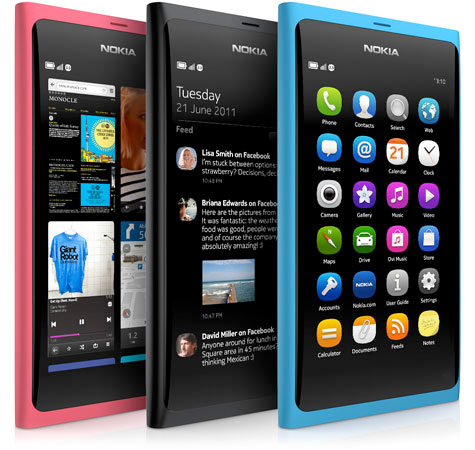
A question worth asking is what happens to new owners of the only MeeGo-powered phone out there, the Nokia N9. The answer, however, is a bit unclear. First, Intel promised to continue the development of MeeGo with updates already in the pipeline. But early this month, reports circulated that Intel would indeed kill MeeGo development “temporarily.” But Sousou has a response: “Over the next couple of months, we will be working very hard to make sure that users of MeeGo can easily transition to Tizen, and I will be working even harder to make sure that developers of MeeGo can also transition to Tizen.” Another question is what happens to Bada? Samsung already has Android, Windows Phone 7 (which should become more prominent to the phone maker after the aforementioned licensing deal) and now Tizen. Diversity is a great thing, but no one ever benefited from spreading themselves too thin. Intel is best known for producing the microprocessors found in many personal computers. The company also makes a range of other hardware including network cards, motherboards, and graphics chips. Intel created the first commercial microprocessor chip in 1971, but it was not until the success of the personal computer that microprocessors became their primary business. In the 1980’s they were an early developer of SRAM and DRAM memory chip, and during the 1990s they invested heavily in new microprocessor...
|
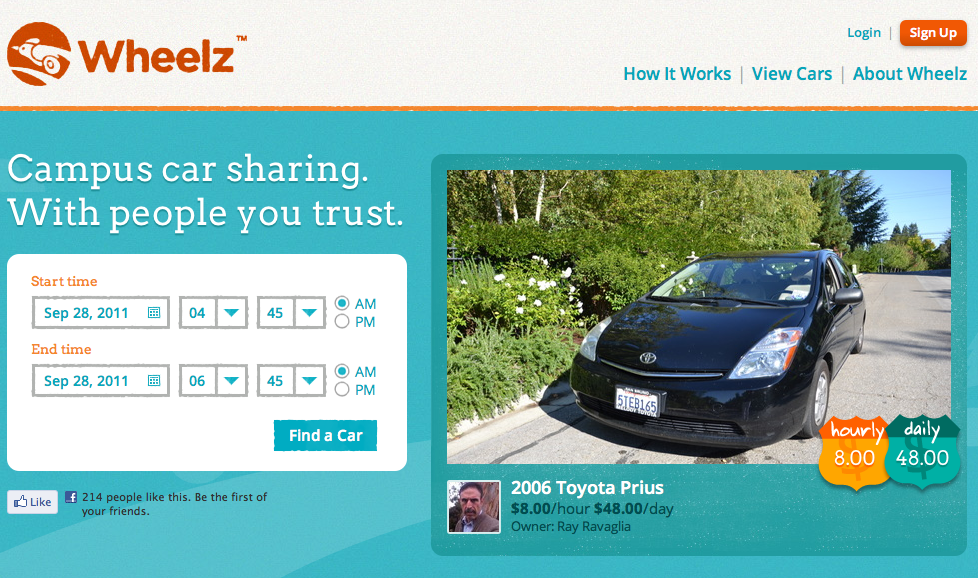
| Wheelz: Automotive Veterans Launch P2P Campus Car Sharing Platform Backed By Former Facebook VP Posted: 28 Sep 2011 08:15 AM PDT  Kicking it into fifth gear and zooming out of stealth and into the public sphere today is Wheelz, a new person-to-person car sharing platform for campuses — designed to connect students who have cars with student who need ‘em. Granted, when I first heard the basics on Wheelz, I immediately thought, “gadzooks, another car sharing platform!?” What about RelayRides, GetAround, Zimride, and Zipcar? These are all by and large great young businesses, adding value to the space; sure they’re not all targeting campuses, but I wasn’t so sure we needed another one. Whether you feel the same way or not, Wheelz begs to differ. Launching initially at Stanford University, the startup is bringing campuses a technology and service platform that allows students and other campus dwellers to connect safely and easily — through Facebook integration, a good-looking iPhone app, and its proprietary in-car hardware system, called DriveBox. Facebook integration and mobile apps are fairly standard for savvy online businesses today, but the latter feature isn’t. Once a user signs up for Wheelz, the startup will install the DriveBox in their car for free (installation takes about an hour), which will allow other Wheelz members to unlock the car using the startup’s iPhone app or Wheelz card. This is a great feature for those who don’t have time to meet the person to give them keys, or don’t want to (can’t) make a new key, etc. After sign up, the company then provides a secure “Key Box” in which owners can leave the key so that renters can start the car. They Key Box also contains a gas card, so that when your car falls below a quarter of a tank, the person driving the car is responsible for filling the car up, using the gas card. The owner of the car is responsible for the price of gas, which will be deducted from the owner’s total earnings each month. Earnings? What earnings? Well, there are very few free rides in life, my friend. The person driving your car is obliged to pay for use of your wheels, and so each car has hourly and daily prices that are established by the car’s owner. Prices will vary depending on the type of car, age of the car, use, and so on, though Wheelz contends that it is offering the cheapest solution on the market. (Also, users looking to rent for longer can also set up weekly share prices). As to insurance, as soon as a user borrows a Wheelz car, they are covered by the startup’s million-dollar insurance policy for the entire time they’re using their car. And, according to Wheelz’s website, a user’s “personal auto insurance is in no way affected” by the startup’s coverage. Some other nifty features? Wheelz is offering a pretty wide variety of cars, including sedans, hybrids, luxury cars, convertibles, vans, SUVs, and even a few trucks — plus, while you’re enjoying your Wheelz reservation, you’ll be able to take advantage of free, 24/7 customer support and roadside assistance. Another piece that helps inspire confidence in the nascent startup is that it raised $2 million in seed funding, pre-launch, led by Chamath Palihaptiya, a former Facebook VP and early employee (who recently left to found the Social+Capital Partnership venture fund). Joining Palihapitiya are VC firms Felicis Ventures and Red Swan Ventures as well as an impressive list of angel investors, including Jim Freer, the former vice-chair of Ernst & Young, and Sebastien De Halleax, the founder of Playfish. The Wheelz team also brings significant automotive experience to bear on their new venture, including founder and CEO Jeff Miller, who has spent the better part of the last three years focused on building sustainable transportation solutions, working for electric vehicle network provider Better Place. Furthermore, Akhtar Jameel, Wheelz Co-founder and CTO (and the architect behind Wheelz' technology platform) was formerly the CEO of Mercedes-Benz R&D and has held senior product and technology positions at Daimler, Better Place and Xerox PARC. And, um, also of note? Jameel was awarded a Smithsonian Computer World Innovations gold medal for developing the world's first Internet connected car back in 1997. Of course, this name-dropping doesn’t mean that Wheelz categorically predestined for success, they still need to offer a more trustworthy service than their competitors and avoid those Airbnb-type PR kerfuffles. The startup is aiming to get at the trust factor via the platform’s integration with Facebook Connect, so that students know who they’re renting their car to, seeing as they can access the social data of prospective car-sharers to make sure they’re actual people, not criminals recently out of Shawshank. And though there’s certainly some interesting technology at play, Wheelz still has to kill the customer experience — or they will be headed to the startup deadpool in the sky just like everyone else. “Social is changing every industry in a profound way, and we believe this is the team that's going to revolutionize the concept of car ownership, turning cars from financial burdens into opportunities”, Palihapitiya said. "I invested in Wheelz on the strength of the executive team and its thoughtful approach to building this business and bringing it to market." For more on Wheelz, check out the video below:
|
| The Kindle Fire Will Have A Whole New “Cloud Accelerated” Mobile Browser Called Amazon Silk Posted: 28 Sep 2011 07:58 AM PDT  Jeff Bezos announced a new family of Kindle’s today, including the Kindle Fire and Kindle Touch. But he also had one more thing. The Kindle Fire tablet is coming with an entirely new mobile browser called Amazon Silk. The browser is “cloud-accelerated” in that it splits tasks between the cloud and the device. “It is very challenging for mobile devices to display modern websites rapidly,” says Bezos. “So we wondered is there some way we can use the incredible computational horsepower of Amazon EC2 to accelerate mobile web browsing.” Amazon is taking advantage of its Web services and EC2 compute cloud. Instead of waiting 100 milliseconds for each part of a web page to load, Amazon Silk can cache most of a webpage in the cloud and deliver all the subparts at since. And since EC2 has more bandwidth than a tablet ever will, it can do the same tasks in 5 milliseconds instead of 100. In a video explaining the browser (watch below), one Amazon engineer describes it like this: “You can think of Amazon Silk as a small store for files you access. What we have done is create a limitless cache used to render the web pages you view every day. It does not take a single byte of storage on the device itself.” The so-called split browser essentially has two homes: on the Kindle Fire itself, and in Amazon’s EC2. Basically, when a user pulls up a webpage on their Kindle Fire, EC2 handles all the rendering to optimize it for the Fire’s screen. Images are resized on the fly, and what’s more, it tracks user’s behavior. Users who visit TechCrunch all the time, will notice quicker load times because Silk detects that pattern of activity and pre-caches the site. Or similarly, if a lot of people going to the New York Times’ homepage today then click on a set of particular stories, those subsequent pages can be predictively pre-cached and delivered faster. Amazon calls it “Dynamic Split Browsing,” and while it’s not a terribly new concept—Opera Mini similarly optimized webpages for mobile devices—it’s one that could make a huge difference in a user’s web experience. Amazon.com Inc. (AMZN) is a leading global Internet company and one of the most trafficked Internet retail destinations worldwide. Amazon is one of the first companies to sell products deep into the long tail by housing them all in numerous warehouses and distributing products from many partner companies. Amazon directly sells, or acts as a platform for the sale of a broad range of products. These include books, music, videos, consumer electronics, clothing and household products. The majority of Amazon's...
|
| Report: 41% Of North American Mobile Users To Buy The iPhone 5 Posted: 28 Sep 2011 06:43 AM PDT 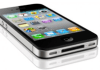 We know the iPhone 5 is being debuted soon and reports point to Sprint as the new carrier. But just how popular will the device be off the bat? InMobi, one of the largest independent mobile ad networks, is releasing a study that forecasts the scope and effect of the iPhone 5 announcement in North America. The recent InMobi consumer smartphone survey uncovers that 41% of current mobile users in the U.S., Mexico, and Canada plan to buy an iPhone 5—potentially making it the most successful launch from the consumer electronics giant to date. The study also finds that over 50% of those users will make the purchase within the first six months of the iPhone 5 launch, which inMobi says could take Apple significantly ahead of its June 2011 market position, and increase its mobile platform market share from 27% in June (comScore) to 41%. However, if Apple only unveils a product update (similar to the 3GS version of the iPhone that Apple released in 2009), InMobi says that interest in the new smartphone will be significantly lower, with fewer than 15% of consumers likely to buy the new handset. The features potential buyers are most hopeful for are improved battery life; increased processing speed; higher-quality screen resolution; and stronger phone service. The study also shows that half of BlackBerry users (52%) are planning to switch to the new Apple iPhone 5, followed by 51% of current iPhone users and over one in four (27%) Android owners. Even if the announcement only unveils an iPhone 4S, 28% of current BlackBerry smartphone owners plan to switch to the iPhone, more than double the amount of current iPhone and Android owners. InMobi’s North America Market Overview, which shows nearly 24 billion mobile ad impressions on the InMobi network over the past quarter, reports that Apple mobile ad impressions are on the rise in iPod Touch devices and that as a manufacturer, Apple has the majority of the market share, at 29%. Data from the report also indicates a 33% growth in mobile ad impressions over the past three months, and a 39% growth in smart phone impressions in the North America mobile market. It should be interesting to see if the new iPhone can gain marketshare from Android and RIM. This report seems to indicate that this will be the case. Stay tuned.
|
| Samsung And Microsoft Ink Deal For Cross-Licensing Patents, Developing Windows Phone Posted: 28 Sep 2011 05:43 AM PDT  You’d have to be living in some cave to not know that IP wars are all the rage this season, especially with our favorite electronics/software companies. Samsung, in particular, has been the target of all-mighty Apple, and had quite the difficult year. But alas, Microsoft has swooped in, and the two have decided to cross-license their patent portfolios. This would better protect both companies from outside attacks moving forward. Past that, Samsung will pay Microsoft royalties for all phones and tablets running the Android platform. Remember that funny little math equation that leaves Redmond with more cash from Android than its own Windows Phone platform? Yeah, that’s in play here. The agreement also states that both companies will participate in the marketing and development of Windows Phone 7. This is the seventh Android developer with which Microsoft has signed a licensing deal. HTC is the next biggest licensee behind Samsung, who are joined by Acer, General Dynamics Itronix, Onkyo, Velocity Micro, ViewSonic and Wistron. In a blog post on the matter, Microsoft’s General Counsel Brad Smith and Deputy General Counsel Horacio Gutierrez explained that these licensing deals are the “responsible manner” in which to resolve patent tiffs.
The timing of this deal is key, as Samsung is making a bigger statement than the announcement itself. If Samsung had faith that the Googorola deal would be beneficial to Android, there would be no need to sign on the dotted line until the acquisition was closed. But Samsung controls over 28,000 patents in the U.S., and more than 100,000 globally, according to FOSS Patents. Motorola holds about 24,500 patents worldwide, including applications and granted patents. To Samsung, it would be easier and safer to take matters into their own hands. As far as Apple and Samsung are concerned, this won’t do much to change the state of affairs. Samsung can’t suddenly begin fighting Apple with Microsoft patents. The deal only allows Samsung to build products or practice technology covered in Microsoft’s patents moving forward. However, it does make plain how Samsung perceives Android at the moment — in peril. All in all this isn’t a huge deal for the big guns. HTC and Samsung can afford to pay a fee for their Android phones, especially if it gives them a bit of added protection. But Google won’t like this one bit. Not only is Microsoft buddying up with some of its big-name Android partners, but with all these licensing deals in place, Android as a whole may begin to have a fee associated with it. Personally, I can’t wait to hear Google’s response. Microsoft, founded in 1975 by Bill Gates and Paul Allen, is a veteran software company, best known for its Microsoft Windows operating system and the Microsoft Office suite of productivity software. Starting in 1980 Microsoft formed a partnership with IBM allowing Microsoft to sell its software package with the computers IBM manufactured. Microsoft is widely used by professionals worldwide and largely dominates the American corporate market. Additionally, the company has ventured into hardware with consumer products such as the Zune and...
|
| You are subscribed to email updates from TechCrunch » Mobile To stop receiving these emails, you may unsubscribe now. | Email delivery powered by Google |
| Google Inc., 20 West Kinzie, Chicago IL USA 60610 | |