CrunchGear |  |

- Sharp Showcases 4K LCD TV (3,840×2,160 Resolution), To Sell It 2012
- Disney Mobile Japan Announces Two (Cute) Android Phones
- Orange To Bring Sharp 3D Android Phone To Asia And Europe
- Daily Crunch: Time Spent
- Nice Work If You Can Get It: Apotheker Leaves HP With $10 Million Severance
- Why No Kindle Touch Or Fire For EU, UK?
- Kobo Vox Android Tablet Leaks On Retailer Website
- Sony To Stop Comping 3D Glasses For Theaters – Because Movie Tickets Aren’t Expensive Enough Already
- Foxconn’s $12bn Brazil Expansion Stalled In Negotiation Stage
- Sync By 50 Headphones Leak Early, Appear To Be Appropriately Street
- China Takes First Steps Toward A Space Station, Launches Tiangong 1
- Swatch Announces Touchscreen Watches
- Make It HD: Star Trek TNG Remastered For Blu-ray
- HP’s Internal $99 TouchPad Sale More Popular Than Expected, Crushes Web Server
- Logitech Lands Six-Figure Fine From EPA For Misleading Ads
- The Best (Fake) iPhone 5 Video Yet
- Huzzah! A Wooden Frame For Settlers Of Catan
- 9 Android Phones For Japan: SoftBank’s Entire Fall/Winter Line-up
- Lego Tries Augmented Reality With “Life Of George” Game
- The Top 6 Alternatives To The Kindle Fire
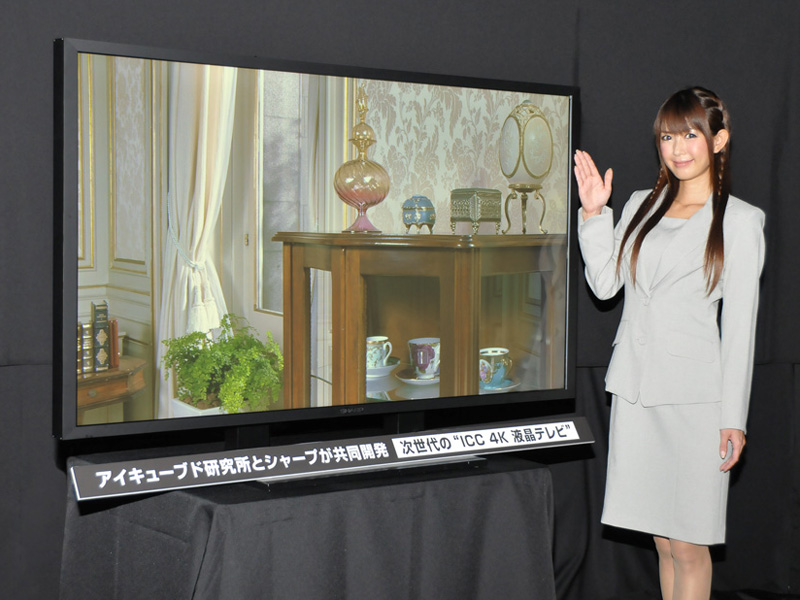
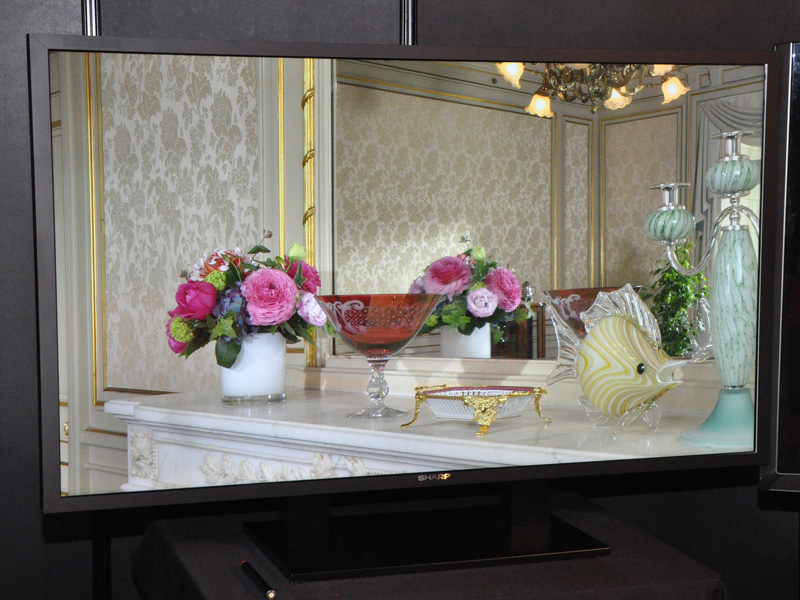
| Sharp Showcases 4K LCD TV (3,840×2,160 Resolution), To Sell It 2012 Posted: 30 Sep 2011 03:13 AM PDT  Full HD resolution (1,920×1,080 pixels) isn’t enough for Sharp. The company has developed [JP] a TV that’s capable of producing images with 3,840×2,160 resolution and is ready to show the device to the public during the CEATEC 2011 exhibition that takes place next week near Tokyo. The 60-inch 4K TV has been developed in cooperation with the I3 (I-cubed) Research Center in Kawasaki. I am assuming Sharp will share more detailed specs when they bring the prototype to CEATEC (so far, only the size and resolution have been revealed). It’s not as impressive as that 85-inch TV with Super Hi-Vision resolution (7,680×4,320 pixels) Sharp showed in May this year, but in contrast to that model, the 4K TV has a (vague) sales date: sometime in 2012 and in Japan first, according to the company. Via AV Watch [JP]
|
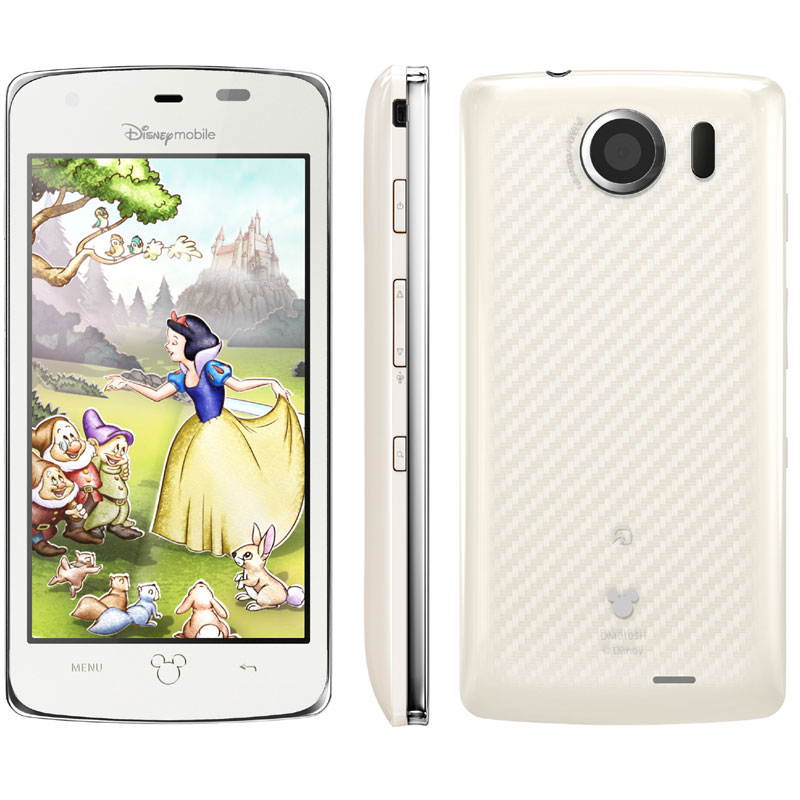
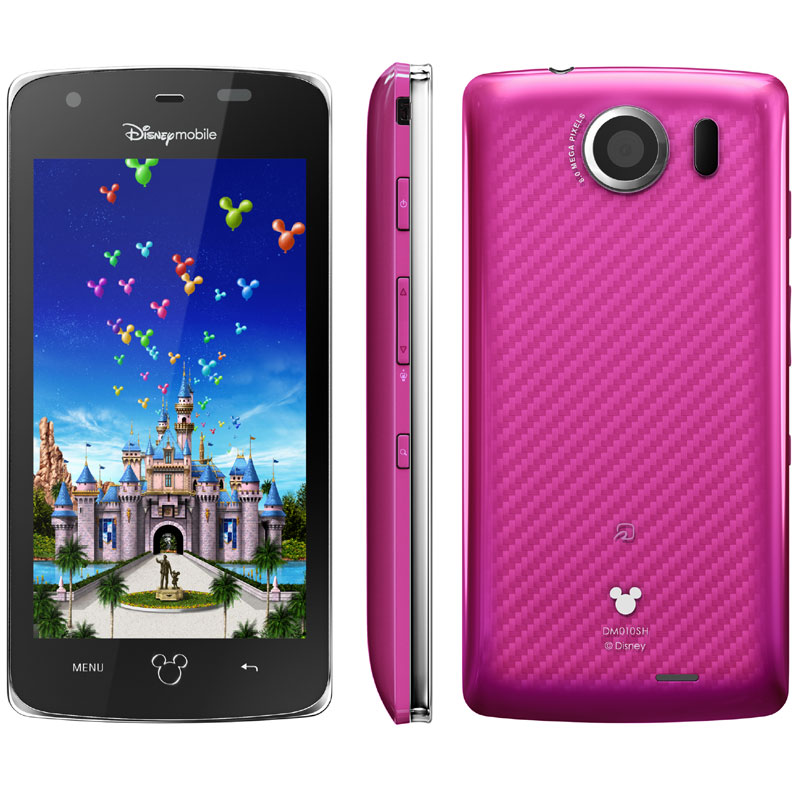
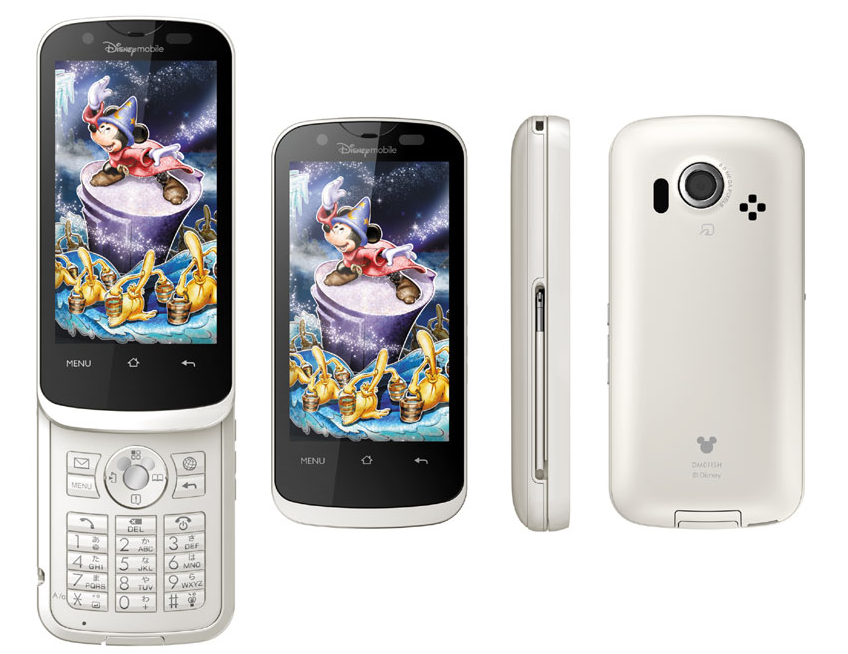
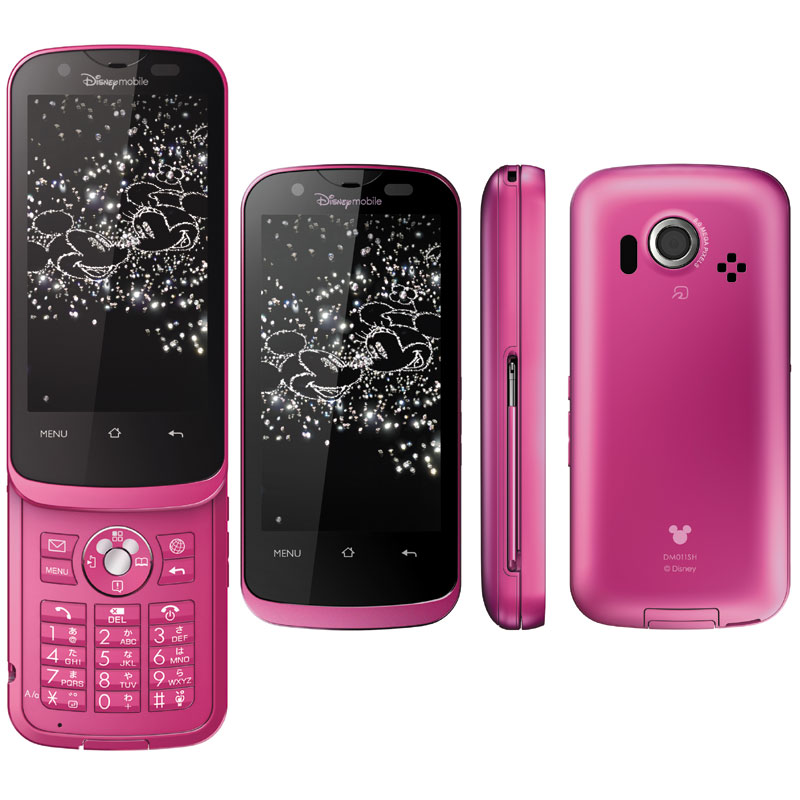
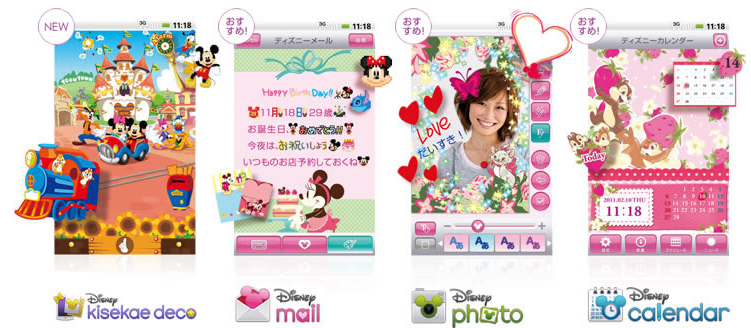
| Disney Mobile Japan Announces Two (Cute) Android Phones Posted: 30 Sep 2011 01:45 AM PDT  Disney, which has been doing business as an MVNO in Japan (Disney Mobile) since 2008, took the wraps off two new Android phones [JP] yesterday. The DM010SH will be rolled out in Japan in October, followed by the DM011SH in December (prices tbd). Technically, the DM010SH is based on the Sharp’s AQUOS 009SH [JP] and features Android 2.3, a 4-inch LCD with QHD resolution, an 8MP CMOS camera, Bluetooth, Wi-Fi, a microSDHC slot, a digital TV tuner, an e-wallet function, infrared communication, etc. The DM011SH is based on Sharp’s AQUOS 007SH, that pretty weird mix between feature phone and smartphone. Specs: Android 2.3, waterproof body, 3.4-inch LCD touchscreen with 854×480 resolution, 16MP CCD camera with 1,280×720 HD video recording, Wi-Fi, Bluetooth, digital TV tuner, e-wallet function, etc. (there’s also a Hello Kitty phone based on this model). Disney Mobile will offer special content with the phones, for example home screens showing Disney characters and icons, a Disney-themed calculator, calendar, alarm clock, and other apps (see below). The company is already selling a Disney Android phone in Japan.
|
| Orange To Bring Sharp 3D Android Phone To Asia And Europe Posted: 30 Sep 2011 01:01 AM PDT  Is this finally the beginning of Japanese Android phones being made available outside their home market? Japan’s biggest mobile carrier NTT Docomo yesterday announced it has inked a deal with French telco Orange to bring a Sharp Android handset to Asia and Europe. The handset in question is a pretty nice one, the AQUOS PHONE SH80F (pictured), that Sharp introduced (together with Docomo) in Japan back in May. In Japan, the device is called “AQUOS PHONE SH-12C” and comes with Android 2.3, two 8MP CMOS cameras, 3D video recording in 720×1280 resolution, a 4.2-inch naked-eye 3D display with 960×540 resolution, Wi-Fi, GPS, Bluetooth, and an HDMI connection. I’m assuming that for the European version, Sharp will axe the infrared connection, e-wallet function, and digital TV tuner (no details yet). Orange says they will introduce the AQUOS PHONE SH80F in France as early as October 6, before rolling it out in “Asia and Europe”. The company has over 200 million customers worldwide. Sharp, the market leader in Japan’s mobile market (over 25% share), has been talking about exporting its handsets for years.
|
| Posted: 30 Sep 2011 01:00 AM PDT  Here are some of yesterday’s stories on TechCrunch Gadgets:
|
| Nice Work If You Can Get It: Apotheker Leaves HP With $10 Million Severance Posted: 29 Sep 2011 07:19 PM PDT  Massive severance packages are nothing new, but sometimes you just feel the need to call attention to them. Ousted HP CEO Leo Apotheker is leaving the company with a $7.2 million severance payment, plus a $2.4 million bonus and $3.7m in stock (more if you count the other 440,000 vested shares). I understand that this high pay is part of our business culture, but really, now. Is it possible that HP was in a death spiral and only Apotheker’s sound judgment caused them to get away with a mere 45% drop in value? It seems unlikely that they’d kick him to the curb after less than a year if that were the case. But no, he’s leaving with millions in cash and stock , and HP will even be paying for the lawyers who negotiated the package, and they’ll pay up to $300K if he feels like moving. Of course, I wouldn’t have wanted to live that year in Apotheker’s shoes. He faced some extremely difficult decisions and massive internal changes following the acquisition of Palm. The best of men would have struggled. But his handling of Palm and webOS is wide open to criticism. It was a billion-dollar deal that needed to be shaped while it was hot, and (although there was certainly a good amount of internal politics that had to do with this as well) he didn’t do that, and now it’s a billion-dollar boondoggle. Perhaps Hurd’s ambition is partly to blame as well, but I don’t think many would compliment Apotheker’s work in this critical area during his reign. His big move to split up the business was certainly ballsy, but so was the charge of the light brigade. HP’s customers and the market both found it a disturbing development, the world’s biggest PC company flailing about like that. Acer too has publicly admitted its entire strategy needs revision, but it was done with caution and humility. I’ll stop there before I naively dig myself any deeper. But I just wanted to register fresh astonishment at this culture that throws money away like this. I’m surprised Apotheker was allowed to leave with his skin. All the information is here in this SEC filing, if you’re curious. Leo Apotheker was most recently the CEO of HP. He previously served as the co-CEO of SAP from April 2008 until February of 2010. Before his appointment as SAP’s co-CEO, Apotheker was Deputy CEO from 2007 to 2008, member of the SAP AG Executive Board and President of Global Customer Solutions Operations from 2002 to 2007, and President of SAP EMEA (Europe, Middle East and Africa) from 1999 to 2002. He was CEO and founder of SAP...
|
| Why No Kindle Touch Or Fire For EU, UK? Posted: 29 Sep 2011 06:27 PM PDT  Jeff Bezos recently said that these days, “if you are just building a device you are unlikely to succeed.” He certainly seems to be backing that statement up, with the launch of the Kindle Fire producing more optimism than the last ten non-iPad tablet launches combined. It seems that people do indeed like the idea of a purpose-built device that does a few things well, walled garden or not. But Bezos glossed over the other side of the “make your own ecosystem” coin: providing and administrating that ecosystem not only requires immense resources, but can occasionally cause major roadblocks. In this case it appears that the Kindle Fire and Touch will be unavailable UK or EU, for reasons and duration not specified. It wouldn’t have anything to do with the fact that they’re more than just devices, would it? Amazon hasn’t replied to my queries, and given that they haven’t publicly commented on this so far, I don’t expect much of an answer even if they do. In the meantime, let’s look at the possibilities as to why this roll-out is limited, in order of escalating likelihood. 1. They haven’t gotten the devices approved by European government authorities. You can’t release a wireless product unless it’s been cleared by the FCC here in the US, and there are similar agencies throughout the world that conduct their own, slightly different testing. However, submitting devices to these authorities is a matter of course and I doubt Amazon would simply fail to do so. And the devices are too similar to others out there to cause any serious delay in their approval. 2. The Silk browser is incompatible with European privacy and data protection laws. The way Silk works, in a nutshell, is it offloads some rendering and querying to Amazon servers, which in a way request a page on your behalf and then stream it to you in an optimized format. This man-in-the-middle technique isn’t new in principle, but having it as the default mode of communication for a major device is. It’s possible that the system has run afoul of regulations prohibiting private data from being routed through a third party like this. Naturally Amazon would be using localized datacenters, but the ownership of the data may fall into a grey area not yet fully approved by the EU and UK (this is ZDNet’s hypothesis). This is an interesting idea, but I don’t think the law is that protective, nor that similar between the UK and EU, on this topic at least. Furthermore, this does nothing to explain why the Touch isn’t available, either. It uses the same “experimental” browser as the rest of the e-ink devices. 3. They don’t have the content. This is almost certainly it. Despite spending hundreds of millions on Euro content providers like LoveFilm, they just don’t have the libraries and rights in order. Bezos took his own advice about launching just a device, since without a superior selection of content, the Amazon Fire is just a second-rate tablet with an Amazon veneer. They’ve spent years developing relationships and clout here in the US, and Bezos can be confident that they’re providing not just a good tablet experience, but a huge selection of content along with it. Clearly he’s not confident they can do the same in the EU. Unfortunately, this doesn’t explain why the Kindle Touch is unavailable. My only thought is that the new touch interface hasn’t been localized to the various other regions yet, but that seems like a rookie mistake, not something Amazon would be likely to overlook. I feel fairly sure that the Fire is unavailable because Amazon hasn’t yet assembled a quorum of content partners, and a piecemeal release in some countries but not others would go contrary to their regional release strategy. But why a device that only differs from the competition in brand and interface (the Kindle Touch is nearly identical to the Nook Touch and Kobo Touch) would fail to be released is still a mystery. I can think of no credible reason why Amazon would want to only launch in the US, so I believe there must be some insoluble problem, or several, at the heart of it. Or maybe I’m just missing something really obvious. If you have any compelling conspiracy theories or know something I don’t about any dispute or law that might prohibit these devices from being sold, please share. Until Amazon comments on this, it’s all speculation. Update: several commenters suggest it’s a supply chain issue. Time will certainly tell, though personally I’m still backing the the content thing. Reports said Amazon had orders in for four million units to be sold just in 2011. I’d say that’s a lot to book for just the US, but I could be wrong. And I don’t see the suppliers failing to fill the order; the device isn’t made of uncommon components.
|
| Kobo Vox Android Tablet Leaks On Retailer Website Posted: 29 Sep 2011 04:46 PM PDT  It looks like Amazon and Barnes & Noble aren’t the only ones who want to get into the LCD e-reader scene. Kobo, who like them has a 6-inch touchable e-ink reader, must have felt left out of the 7″ LCD device race, and apparently is releasing the Vox to fill that gap. We actually heard about the Vox in an FCC filing a couple weeks ago, but held off on posting because there wasn’t much to say. But today the device was listed briefly on Canadian retailer Future Shop’s website, where a number of specs were revealed — though we should take them all with a grain of salt. The few details revealed include an industry-standard 1024×600 7″ LCD, 8GB of internal storage, an a Micro SD slot. The battery is said to last six hours, and a number of Kobo-esque features are built in, like Pulse, Reading Life, and syncing content with other devices that have Kobo’s reading app installed on them. It also “supports open standards and even keeps an archive of all the books you’ve downloaded,” the meaning of which isn’t quite clear. The “Vox” (Latin for “voice”) may refer to the ability to “connect highlighted words to audio.” In Future Shop’s specs, several e-book types are supported but not images or video, which I’m certain is a mistake, as graphic novels are mentioned in the product description. It’s ever-so-slightly larger than the Kindle Fire, but at 400g, a tiny bit lighter as well. The price was $250 in Canadian dollars, though that may change. The Digital Reader claims to have a picture of an early version of the device, in case you’re curious.
|
| Sony To Stop Comping 3D Glasses For Theaters – Because Movie Tickets Aren’t Expensive Enough Already Posted: 29 Sep 2011 02:58 PM PDT  Sony, which provides many theaters with the projectors and hardware needed to display 3D cinema, has informed those theaters that starting this spring, it will no longer provide 3D glasses for free. From now on they’ll have to foot the cost themselves — and by “they” I mean “we,” because obviously the theaters aren’t going to voluntarily pick up this extra expense. Most theaters use a passive 3D system (often RealD), since expensive active-LCD glasses aren’t really an option to deploy in bulk. The polarized glasses (not pictured, obviously) are cheaper, but still cost ~50 cents per moviegoer. Multiply that by the millions of people who might see any given 3D blockbuster-type movie, and you’re looking at quite a sum. Sony’s been footing that part of the bill, but has decided they’ve had enough of that. Their letter to exhibitors puts May 1st as the last day they’ll be providing glasses. Theater owners will be angered (no one likes an extra few million in red ink) but I’m guessing Sony wouldn’t do this if it didn’t feel the balance of power was on their side right now. You may or may not like 3D, but it’s a part of the business right now and big 3D movies are likely the highest-margin showings a theater will have all year. They can’t afford to be the one theater in town that doesn’t do 3D, so they’ll pay. Studios like Disney and Fox have also chipped in for glasses, and never implied that the comping program would last forever. Still, it seems like the life support is being pulled a little early, and, as always, the cost will be passed on to the consumer.
|
| Foxconn’s $12bn Brazil Expansion Stalled In Negotiation Stage Posted: 29 Sep 2011 01:57 PM PDT  Earlier this year it was reported that Foxconn had decided it was going to try to diversity its global holdings by establishing an iPad factory in Brazil. Their reasoning seemed fine: the economy is expanding, there’s a tech-savvy populace, and the government, they figured, would be game for few little sweetheart deals to get the ball rolling. As it turns out, not so much. “The project for a Brazilian iPad is in doubt,” said one Brazilian official, speaking on terms of anonymity to Reuters. Foxconn is “making crazy demands” and the Brazilian government appears to be unyielding on tax and funding. Brazil may be overplaying its hand here. Foxconn employs around a million employees last I checked, and manufactures some of the most popular electronics in the world. Brazil has grown relatively rich on its natural resources, but joining first-world industry in such a big way was always going to be hugely expensive. Shying away from the cost (instead of floating it with potential growth as collateral, like everyone else) shows they just aren’t willing to do business the way the big kids do it. Not only does an iPad-producing factory require an enormous initial investment, but it requires a workforce and infrastructure that Brazil appears to lack currently. Training and education are reportedly inadequate, and Brazil clearly isn’t at the stage of industrialization that China is, in which entire cities are built around factories. $12 billion was just the cover charge — once you factor in a decade’s worth of tax breaks, kickbacks, road and power improvements, housing subsidies, and so on, the real cost starts to emerge. The best bet, it seems, is to start spreading the costs around in the private industry. The government and construction industry is already stretched thin preparing for the 2014 World Cup and 2016 Olympics, so it might be that laying the foundation and establishing joint ventures with existing tech companies (for shared resources, campuses, and improvements) is the only way this deal will go through. Either that or they bag it and start again with slightly less ambitious plans — or perhaps Foxconn will simply find a partner who doesn’t mind playing the game.
|
| Sync By 50 Headphones Leak Early, Appear To Be Appropriately Street Posted: 29 Sep 2011 01:55 PM PDT  50 Cent’s wireless headphones are finally nearing release and I just received multiple pics and a full spec sheet concerning the upcoming high-end model. Sync by 50 uses the now-popular unibody casing but features full on-board playback controls — something no other headphones can proclaim. Housed in each can is a 40mm driver, which is surrounded by a memory foam cushion. The 3.5mm wireless adapter is said to broadcast the signal 50 feet and somehow allow four simultaneous wireless connections through an unnamed wireless standard. The spec sheet brags that the headphones features a professionally tuned digital EQ along with 16-bit lossless digital sound. The headset apparently charges through micro USB and ships with a wired mic cable (classy) and a hard-shell carrying case. However, the spec sheet doesn’t state the price or release date. These headphones have had a long journey. 50 Cent (or one of his many companies) teamed up with Sleek Audio last year who later proudly displayed their joint effort at CES. That deal fell through last May. Curtis “50 Cent” Jackson’s SMS Audio then picked up the project and later bought KonoAudio whose founder is now the president at SMS Audio. 50 Cent joins Dr. Dre and Ludacris in the headphone game. My source couldn’t dig up the price but indicated that this model along with a wired headset and earbuds will launch within the coming months. However, don’t expect these to be inexpensive. Beats By Dr. Dre showed there’s a market for premium lifestyle headphones and this model seems to employ a fair balance of style and technology. It’s going to be pricey.
|
| China Takes First Steps Toward A Space Station, Launches Tiangong 1 Posted: 29 Sep 2011 12:42 PM PDT  As NASA’s steps get smaller, China’s space program is making big leaps with plans to have a manned space station in orbit by 2020. This morning (around 9pm in China), the Tiangong 1 space station module blasted off from a desert in the northwestern area of China. The reported purpose of this mission is to practice docking with other modules, which is essential to building a space station (obviously). Tiangong 1, literally meaning Heavenly Palace, was carried into orbit by a Long March-2FT1 rocket, reports TIME. It provides 15 cubic feet of space in which up to three people can live and work. The plan is that the space module will orbit the Earth for about a month, at which point another unmanned spacecraft called Shenzou 8 will dock with Tiangong 1. This will be China’s first mission involving docking, and completion of the nine-year plan will make it the first country to launch and maintain its very own space station. A prepared statement from China Manned Space Engineering Project spokeswoman Wuping:
Short term goals aside, it’s worth wondering what China plans to do with this space station once it’s completed. It’s clear that China has been getting more and more aggressive with its space program, completing space walks, increasing the number of astronauts in each mission, and planning a trip to the moon by 2030. The overall goal, however, is still a mystery. Check out footage of the take-off below:
|
| Swatch Announces Touchscreen Watches Posted: 29 Sep 2011 11:58 AM PDT 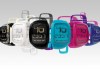 Ugly though they may be, these Swatch watches have a trick up their sleeves. Using the same technology found in the Tissot T-Touch line, these Swatch Touch watches are touch-sensitive and allow you to swipe through different functions and control most of the watch features with a simple finger tap. The Touch 2011 models support two timezones, a date display, chronograph, alarm, and timer. There are no buttons and it has a curved glass display and weirdly proportioned numerals. It has an integrated strap. The watches will ship on October 26 and cost about $150. Adding touch capabilities to watches isn’t new – there was a clever Swatch model that allowed you to switch timezones by tapping on the crystal – but this wholesale abandonment of buttons and controls is fairly intense.
|
| Make It HD: Star Trek TNG Remastered For Blu-ray Posted: 29 Sep 2011 11:42 AM PDT  Hold onto your phasers — the dream of many a Trekkie is about to come true. Star Trek: The Next Generation will be released on Blu-ray starting in 2012. Every one of the show’s 178 episodes will be released eventually, though not all at once. Why such a slow release? Well, it turns out that instead of upconverting and selling for a premium, the producers of this new version are doing it right. How right? They’re scanning the original 35mm footage, cutting together the shows from that, and re-creating the original effects in high definition. Now that’s what I call a proper remastering. George Lucas, take note. They’re leading the whole project with a sort of proof-of-concept disc comprising the pilot episode and two fan favorites, “Sins of the Father” and “The Inner Light,” from seasons three and five respectively. Perfect for fanboy screenings, and it alleviates the inevitable problem of the weak first two seasons of the show arriving as the vanguard of this new release. While high definition occasionally reveals details mercifully obscured by videotape transfer and SD resolution (flaws in makeup, costume, and set design), it’s generally a positive thing and with a big-budget show like TNG (I learned today that its budget was over $1m per episode) chances are those aesthetic flaws will be minimal, and with luck it’ll look like this: The release will be full 1080p with 7.1 DTS audio reconstructed from the show’s original tracks. I’m guessing it will be widescreen, since they weren’t shooting on a “flat” 1.85:1 Panavision setup. Whether they composed for that, I don’t know (i.e. you might be able to see the edge of the set on the full 35mm frame), but either way it should be a widescreen image. Expect the first “sampler” Blu-ray, entitled The Next Level, to hit on January 31 of next year for $22, and the rest to follow.
|
| HP’s Internal $99 TouchPad Sale More Popular Than Expected, Crushes Web Server Posted: 29 Sep 2011 11:17 AM PDT  People love the $99 TouchPad including HP employees. The TouchPad hit the HP’s employee purchasing program yesterday and potential buyers showed up en mass, promptly crashing the servers. It’s unclear how many TouchPads were sold, but my HP source didn’t manage to snag a cheap TouchPad yet. Instead, he received (and forwarded) an email detailing the problem and warning employees not to bother the call center with their woes. “Our site is too slow,” he said. HP might still have TouchPads reserved for employees as he hasn’t received an email stating they’re sold out. Hopefully after HP takes care of its employees the company will release the last TouchPads to retailers. After the first batch dried up last month, most stores started wait lists after HP announced more were on their way. My daily routine involves checking several retailers’ websites in the hope that I stumble upon an active Buy Now link — apparently a good chunk of HP’s 300,000 employees are doing the same thing right now. TouchPad works like no other tablet. It allows users to move back and forth between apps, see related activities grouped together automatically to stay organized, answer calls and texts from HP Pre3 smartphones, share websites with other HP webOS devices, experience more of the web with Adobe Flash Player 6 and 7. TouchPad tablet includes essential productivity apps right out of the box. Users can collaborate with colleagues using Google Docs or Box.net, print wirelessly to compatible networked HP printers,...
|
| Logitech Lands Six-Figure Fine From EPA For Misleading Ads Posted: 29 Sep 2011 10:34 AM PDT 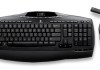 Logitech is known for their keyboards and mice, and the company always seems to find new ways to make what should be boring old accessories interesting. The MX 3200 Laser keyboard and mouse are an awesome example, as Logitech said the combo pack was built using an AgION surface meant to disrupt the growth of bacterial cells. Not a bad idea at all, but the way that Logitech marketed the MX 3200 Laser didn’t please the U.S. Environmental Protection Agency one bit. According to the Register, Logitech made claims that the keyboard would protect against microbes and bacteria, which has earned the company a six-figure fine. "Unverified public health claims can lead people to believe they are protected from disease-causing organisms when, in fact, they are not," said the EPA's regional administrator for the Pacific Southwest Jared Blumenfeld. The AgION silver compound was found by the EPA to be a preservative, not an actively anti-microbial. I’m no science whiz, but that basically means the user is protected against the growth of mold and mildew on the device, rather than from microbes. As a result, Logitech is being fined $261,000 for making unsubstantiated public health claims. Logitech designs and manufactures computer and electronics peripherals such as mice, keyboards, speakers, and remote controls.
|
| The Best (Fake) iPhone 5 Video Yet Posted: 29 Sep 2011 09:40 AM PDT  Really? Could this video really show the iPhone 5? Probably not. The video’s authenticity is tipped by several subtle clues. But the video is still worth watching. The creator clearly knows his way around video editing software and deserves major props for this timely video. It’s good and I want it to be real. The hints are subtle and a few could be just artifacts of the low-quality recording. For instance, the size of bezel on either side of the screen seems to slightly shrink and grow throughout the video. The user’s finger placement is also relative to the iPhone 4′s smaller 3.5-inch screen. He seems to unlock the phone and launch apps by using a screen smaller than what’s shown in the video. Finally, as GSMarena notes, the dates on the home screen and lock screen do not match and the game starts prior to the user hitting the screen. So yeah, the video is clearly not real. Or the video could just be an attempt to hype the game: ECA Rock(s) Rider. Apple is set to announce the next iPhone this coming Tuesday and edge-to-edge glass is one of the major rumors concerning the next release. Most other rumors point to a completely redesigned casing as well, but as shown in this fake video, a larger screen is completely possible in the current iPhone frame. And it looks great, too.
|
| Huzzah! A Wooden Frame For Settlers Of Catan Posted: 29 Sep 2011 08:49 AM PDT  When you woke up this morning, did you think that the world would change? Well it did, people. It did. Boardcrafting is a Kickstarter project that will change the way people play Settlers of Catan forever by replacing the easily-jostled cardboard pieces with real wooden markers and pips. If you’re not familiar with Catan it’s a game for former D&D nerds who want to feel like they’re kind of playing Civilization. We’re a Carcassonne family, but that doesn’t mean we don’t like to whip out our sheep and wheat and colonize the island a bit. However, because the game is made of light cardboard it tends to shift and flop around during play, especially on uneven surfaces. That’s where Boardcrafting comes in. This is an “accessory” to Catan that replaces most of the cardboard pieces with actual wood and replaces the chintzy outer frame with a wooden board. The kit is completely hand-crafted by Shandy Brown who explains that the impetus came after trying to play Catan at Google Zeitgeist:
From great hardship is forged a masterpiece. The entire kit – tiles, pips, and board – will cost $300 but you can grab tips and pips for a bit less. Unless you’re a hard-core Catan-head this will strike you as wildly expensive but at what price freedom? The project is almost funded but pop over and help out, won’t you? http://www.kickstarter.com/projects/sjbrown/boardcrafting/widget/video.html
|
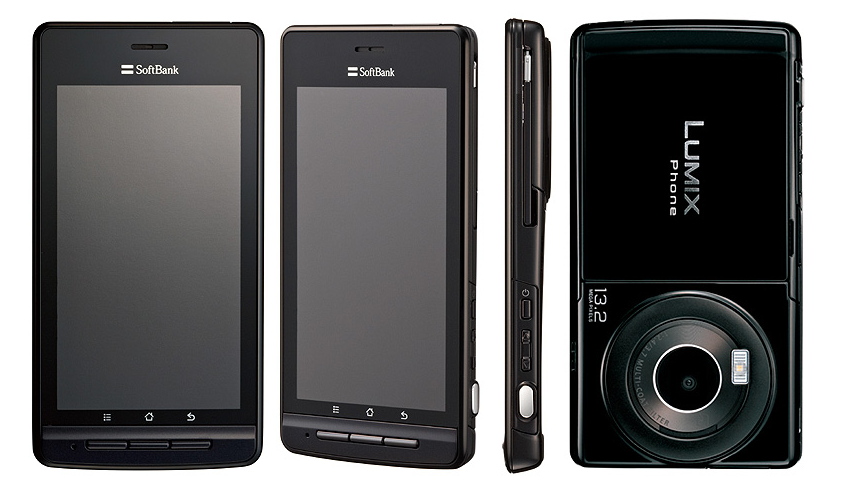
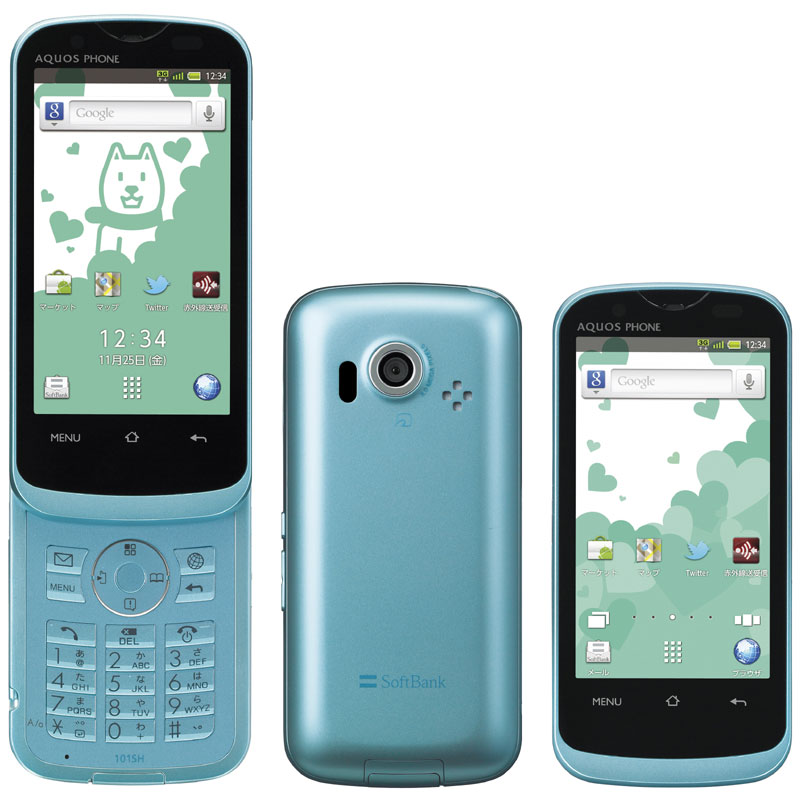
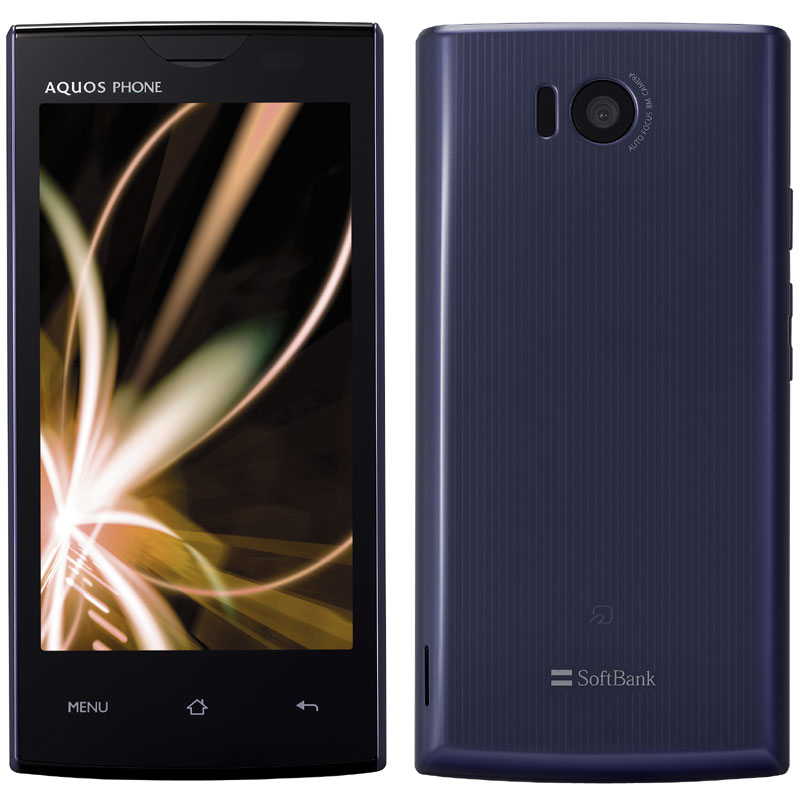
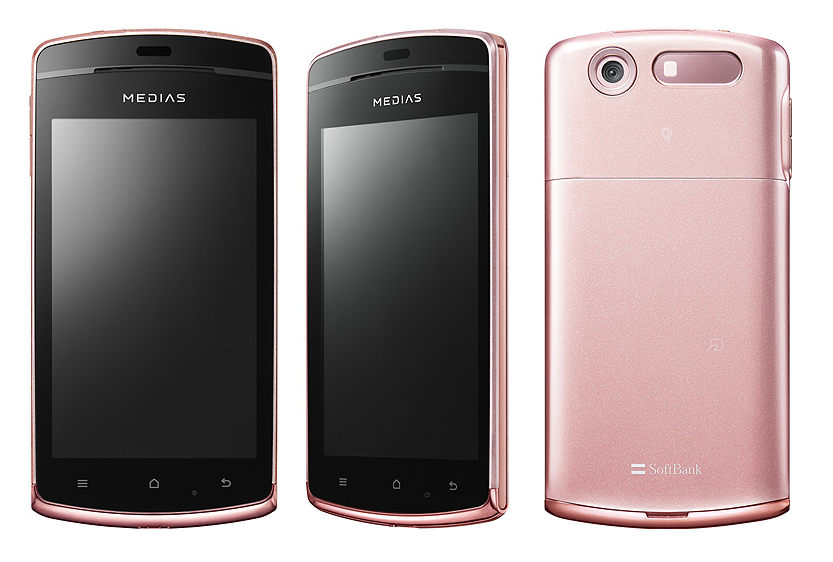
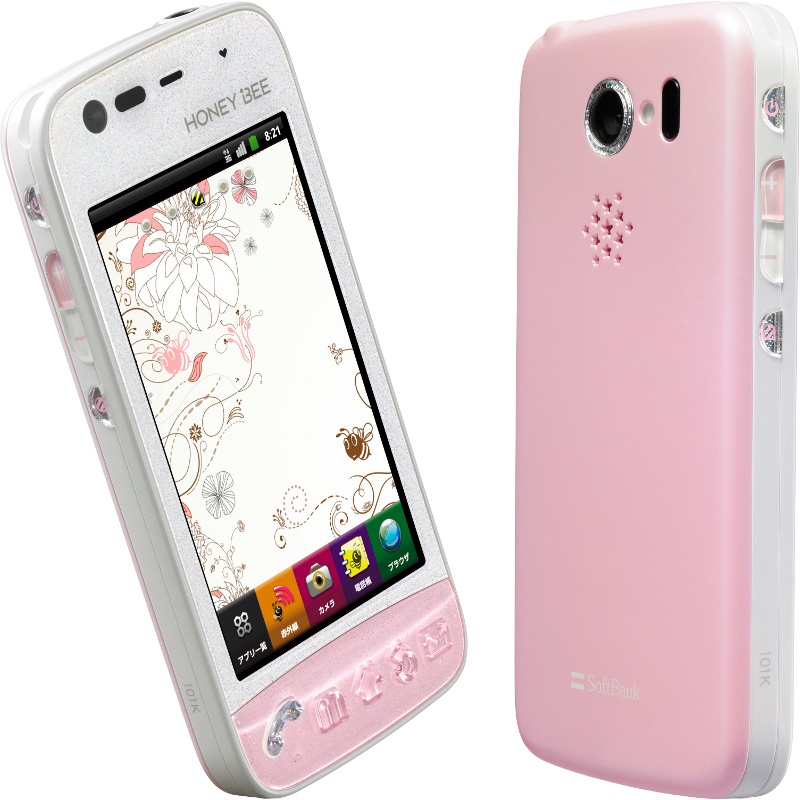
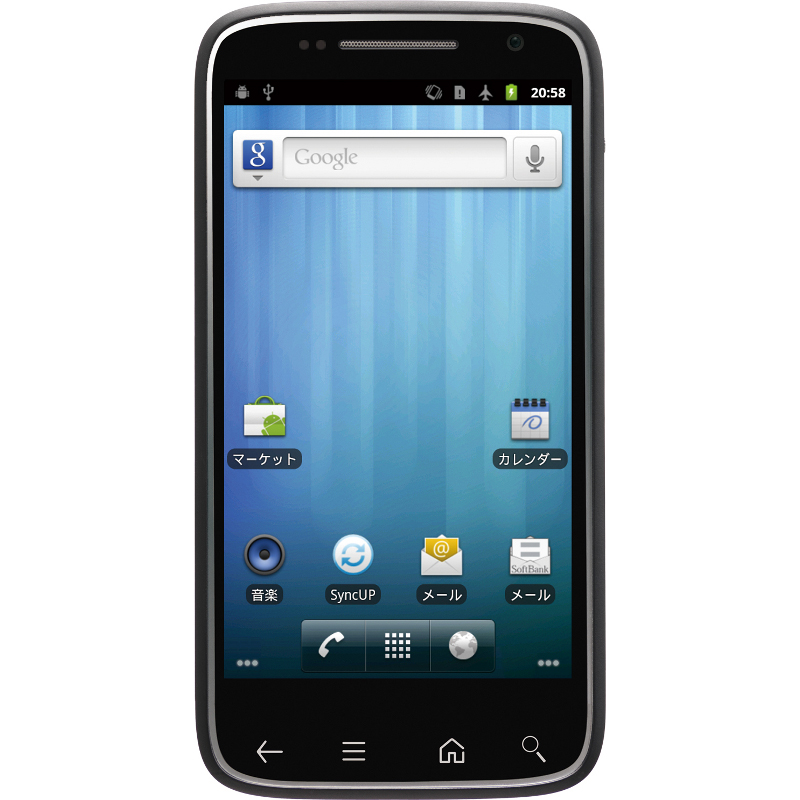
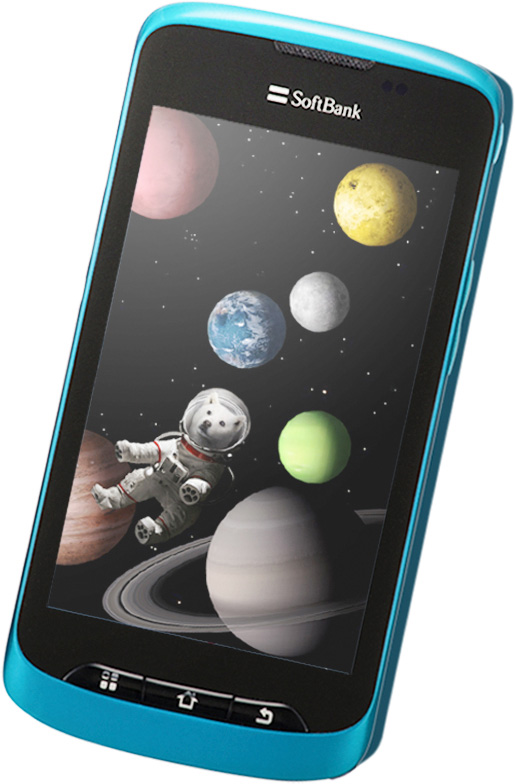
| 9 Android Phones For Japan: SoftBank’s Entire Fall/Winter Line-up Posted: 29 Sep 2011 08:25 AM PDT  We’ve already shown you the three coolest smartphones Japanese carrier SoftBank announced for its home market today, the LUMIX Phone 101P from Panasonic, Sharp’s AQUOS PHONE 102SH, and the DELL STREAK PRO 101 DL. But SoftBank actually introduced a total of nine new Android models today (plus a feature phone). Here’s the carrier’s entire fall/winter line-up for the Japanese market: Sharp AQUOS PHONE THE HYBRID 101SH Sharp AQUOS PHONE 103SH Sharp AQUOS PHONE 104SH NEC MEDIAS CH 101N Kyocera HONEY BEE 101K DELL STREAK PRO 101DL ZTE STAR7 009Z PANTONE 4 105SH
|
| Lego Tries Augmented Reality With “Life Of George” Game Posted: 29 Sep 2011 07:58 AM PDT  Lego (or LEGO if you’re adamant about trademarks) has just dipped another toe into electronic gaming with their clever “Life Of George” iOS title. The game uses 144 pieces and a piece of cardboard covered in a dotted pattern. The game is simple: George shows you a picture from his travels and asks you to recreate it using Legos. You have to dig around in your box of pieces to recreate the image and then take a picture of it on the Playmat. Using a brick recognition system from Eye-Cue, the game awards you points for speed and accuracy. The game is oddly addicting and great for kids. The pieces are bit small so it’s aimed at ages 12 and up but it’s also a great way to build teamwork with one player – maybe a parent – calling out the pieces and the other player putting the object together. The game marks Lego’s further attempts at capitalizing on its strong lead in children’s toys into new markets. The impetus for Life Of George is based on the success of the Lego series of video games (Lego Harry Potter, Lego Indiana Jones, Lego My Dinner With Andre) as well as its quiet but apparently popular Lego Universe, a brick-based MMO. By adding a casual game like Life of George, with it’s candy-coated graphics and clever gameplay, you grab the kids who may not want to bring their entire Lego collection to Grandma’s but still want to play with their blocks. As a parent, I find that the game is also helpful in teaching counting and hand-eye coordination as you need to find blocks as quickly as possible and then smoosh them together. Naysayers will note that George does not offer much in the way of imaginative play and I’d agree. But, as we all know, making the thing on the Lego box is often far more exciting than making another “car” using the big green board and a bunch of bricks. There’s a reason behemoths like the 1200-piece Millennium Falcon exists: people love to build things with Lego, but they don’t always want to be structural engineers. To be clear, Life Of George is a casual game in the vein of Cut The Rope or Angry Birds. You play it for a while, maybe forget about it, maybe dump all of the pieces into the main Lego box down the line. However, at $29 plus a free iOS download (a price I suspect will go down over time) it’s a fun way to interact with your Lego using electronics. Click to view slideshow.Herr George has a Facebook page and his game is available on October 1st.
|
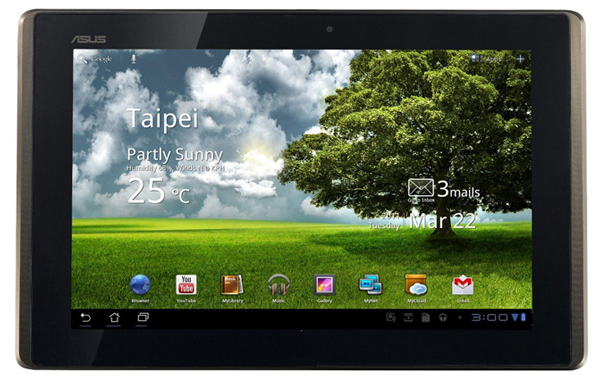
| The Top 6 Alternatives To The Kindle Fire Posted: 29 Sep 2011 06:51 AM PDT 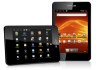 The Amazon Kindle Fire isn’t the only low-cost tablet option in town. Sure, it might be the hot new kid, but there are a multitude of tablets that can be had for $300 or less. Some are cheap and clearly only for enthusiasts. Other tabs are legitimate deals that offer Honeycomb on modern CPUs. Best of all – and Amazon knows this – all of them can run the Kindle app, instantly turning them into Kindle Fire competitors. The Asus Transformer was in high demand caused by a limited supply. Asus underestimated the demand and under-manufactured the tablet. The story goes that Asus ramped up production, but it was too late. The tablet’s 15 minutes of fame had passed and now the tablet can be had for $300 – or slightly more if you want a reputable retailer. The Transformer is quite a bargain. It’s arguably one of the top Android 3.x tablets and has a slender frame, stunning IPS screen, and tons of ports. There’s a vibrant developer community and a few first- and third-party accessories. The Transformer is a safe, low-cost bet to taste-test Honeycomb. And, like the rest on this list, can run all of Amazon’s Android apps including the Kindle reader. BlackBerry Playbook
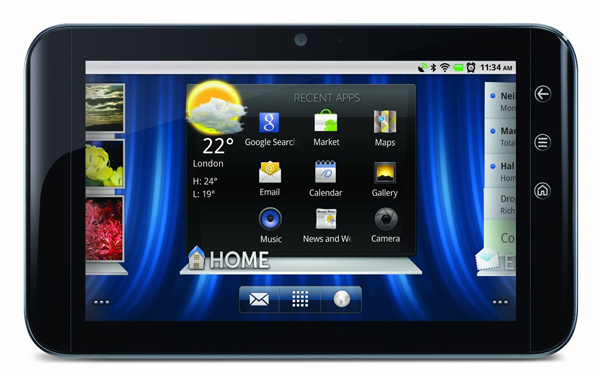
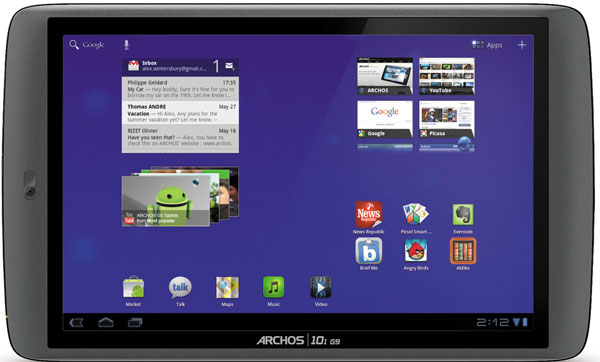
Major retailers are currently cutting the PlayBook’s price ahead of a likely official price cut. Staples and Office Depot both currently offer the tablet at $399 with $100 gift cards while Best Buy is selling it for $299 out the door. The PlayBook ships with the Kobo reading app installed, but the Kindle Cloud Reader allows for Kindle reading experience through just the PlayBook’s (or any device’s) web browser. The Dell Streak 7 is the oldest tablet of the bunch but it still has some legs. The Android 2.2 tablet is a great small-ish tablet for the Android fanboy. It’s compact, highly customizable, works with a massive number of Android apps – including the Kindle app – and can readily be had for less than $250. Rumor has it that the Streak 7 will even get an official Honeycomb update in the near future – or you could just install it yourself. Archos has been at the tablet game nearly longer than any other company. Their latest is concocted from their traditional recipe that involves slightly ahead-of-the-curve hardware with aggressive pricing. The slender $299 Archos 80 G9 packs a dual-core 1GHz ARM Cortex CPU, 8-inch screen, and 8GB storage. However, buyer beware. While the 80 G9 looks great on paper, our early experience with the tablet hasn’t been pleasant. Look for a full review in the coming days but the tablet’s built quality is a bit rough. There isn’t a better cheap tablet than the Nook Color. Modders have hacked nearly every version of Android onto the ereader (with mixed results) or you could just use the stock OS that already features apps, email, and a fully functional web browser. The stock operating system is capable enough to satisfy most but if not there’s a nearly endless supply of Nook Color mods, hacks and general tomfoolery available. You can even install a Kindle app on the B&N reader. Blasphemy? Sure, but it’s also turns the little reader into the ultimate ereading machine. Barnes & Noble thought outside the traditional ereader bounds with the Nook Color. Rather than producing just another ereader, they released a trifling, but totally hackable, tablet for half the price of the iPad. It was a hit. That’s what Amazon hopes to do with the Fire and successive tablets. Velocity Micro Cruz T408
This tablet is inexpensive and feels cheap. I have a review sample sitting on my desk. It’s not an iPad-killer, but could sway some potential Nook Color or Kindle buyers. It’s slightly larger than the Nook Color and the form and fit isn’t as nice. However, the T408 comes with Gingerbread preinstalled, along with a bunch of apps including Angry Birds, Kindle, and Amazon’s Appstore. If you’re buying the Nook Color just to run Android, why not get a larger screen? Amazon’s grand entrance into the tablet arena will likely steal some of these tablets’ glory. The Kindle and Amazon brands are trusted names, which is exactly what most low-cost tablets lack. The Fire is just a low-cost tablet concealed by fresh UI layer. This strategy is great for most consumers but some buyers, like me, want a little more fun out of our non-iPad tabs. However, here’s hoping that the successes of the Fire and iPad do not influence future tablet innovation and leave us in a world of dumbed-down, mass-market mobile operating systems. Kindle Fire brings you Movies, apps, games, music, reading and more, plus Amazon’s cloud-accelerated web browser Product features: 18 million movies, TV shows, songs, magazines, and books Amazon Appstore - thousands of popular apps and games Ultra-fast web browsing - Amazon Silk Free cloud storage for all your Amazon content Vibrant color touchscreen with extra-wide viewing angle Fast, powerful dual-core processor Amazon Prime members enjoy unlimited, instant streaming of over 10,000 popular movies and TV shows
|
| You are subscribed to email updates from TechCrunch » Gadgets To stop receiving these emails, you may unsubscribe now. | Email delivery powered by Google |
| Google Inc., 20 West Kinzie, Chicago IL USA 60610 | |