MobileCrunch |  |

- Disney Mobile Japan Announces Two (Cute) Android Phones
- Orange To Bring Sharp 3D Android Phone To Asia And Europe
- Microsoft Cracks Down On Spammy Windows Phone App Submissions
- This Guy Built His Own iPhone 5 “Design Prototype”
- Nokia Preparing New “Meltemi” OS For Low-End Phones
- StoryDesk Brings Sales Catalogs To The iPad
- The Best (Fake) iPhone 5 Video Yet
- GetJar Gold Gives Away $1 Million In Free Apps
- 9 Android Phones For Japan: SoftBank’s Entire Fall/Winter Line-up
- Q: When Will Quora Release An iPhone App? A: Now.
- New NFC Spec Makes It Easier To Swap Contacts, Save Data To Phones
- T-Mobile Joins Verizon, Takes Samsung’s Side In Apple Patent Suit
- Priceline Jumps Into Daily Deals Space (Actually, Nightly Deals Space)
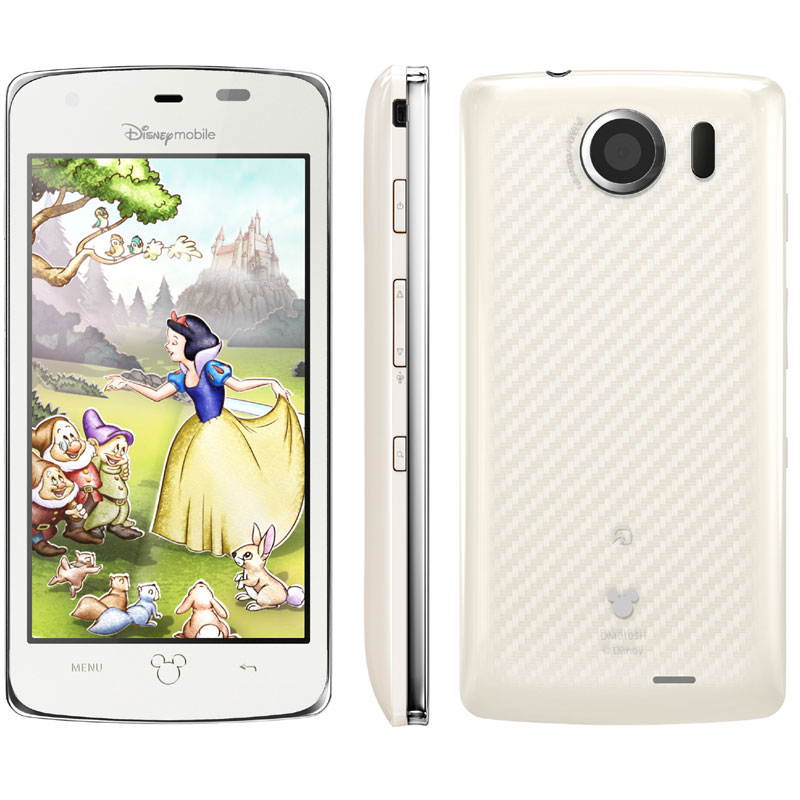
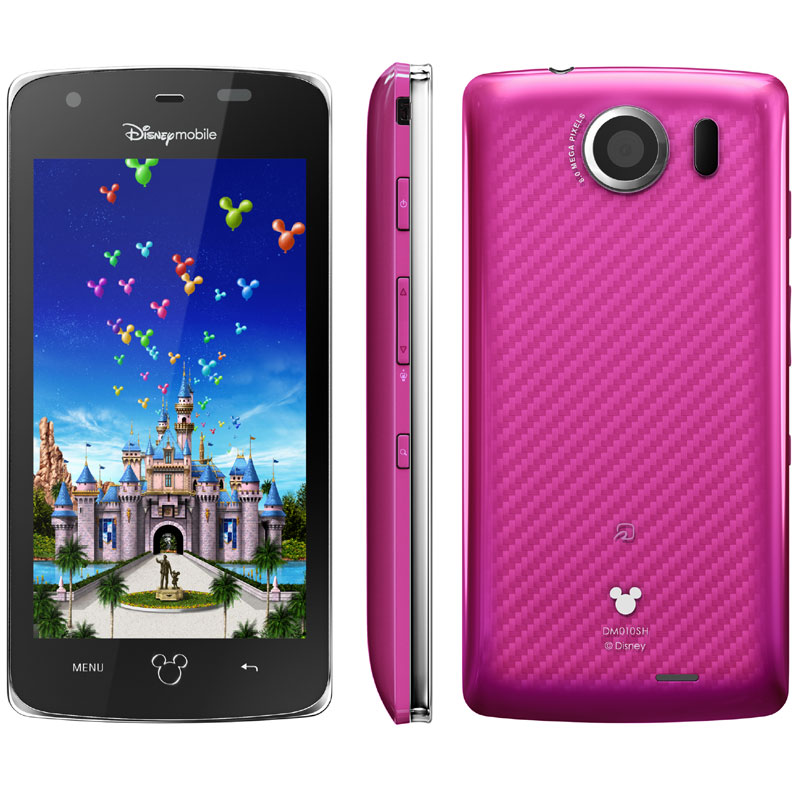
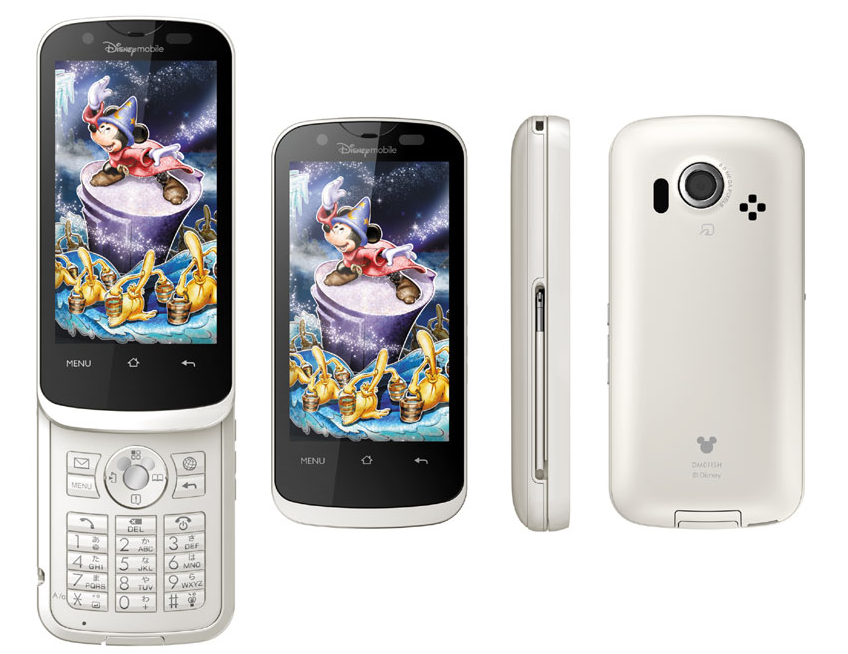
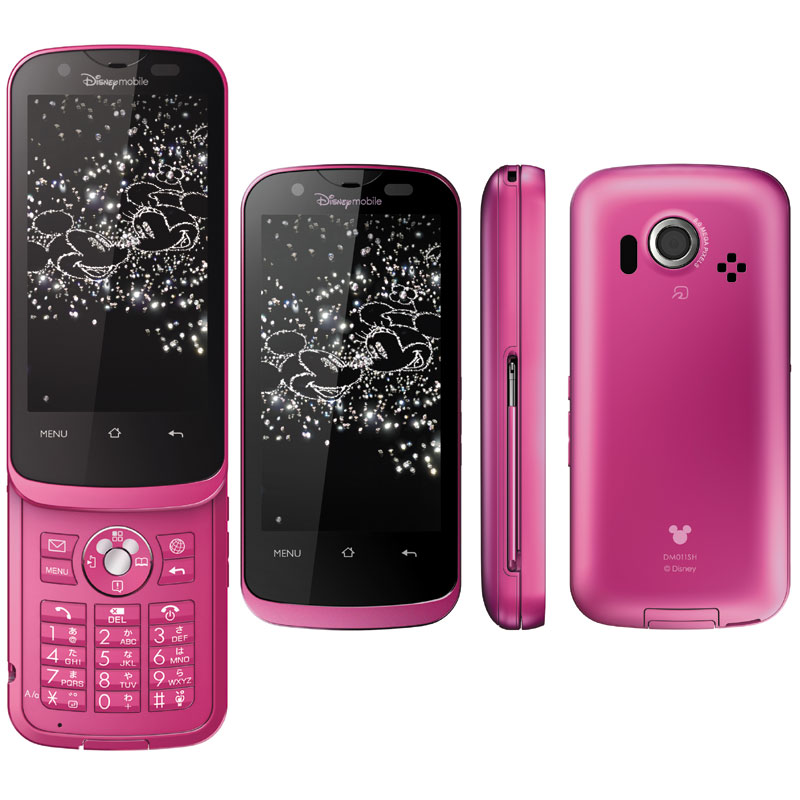
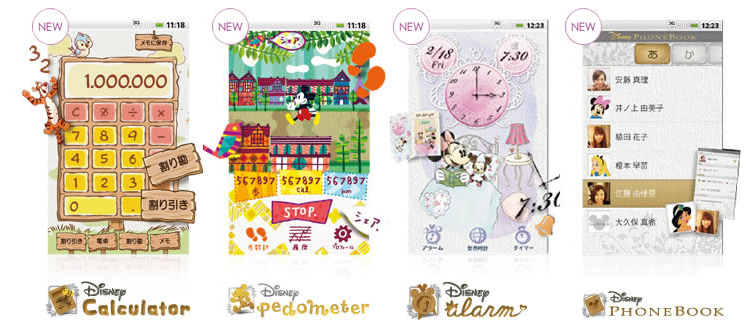
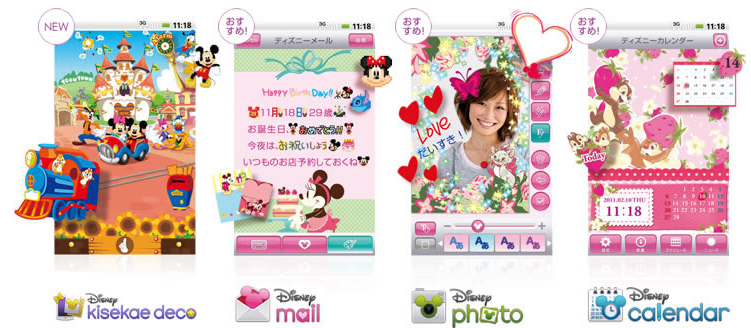
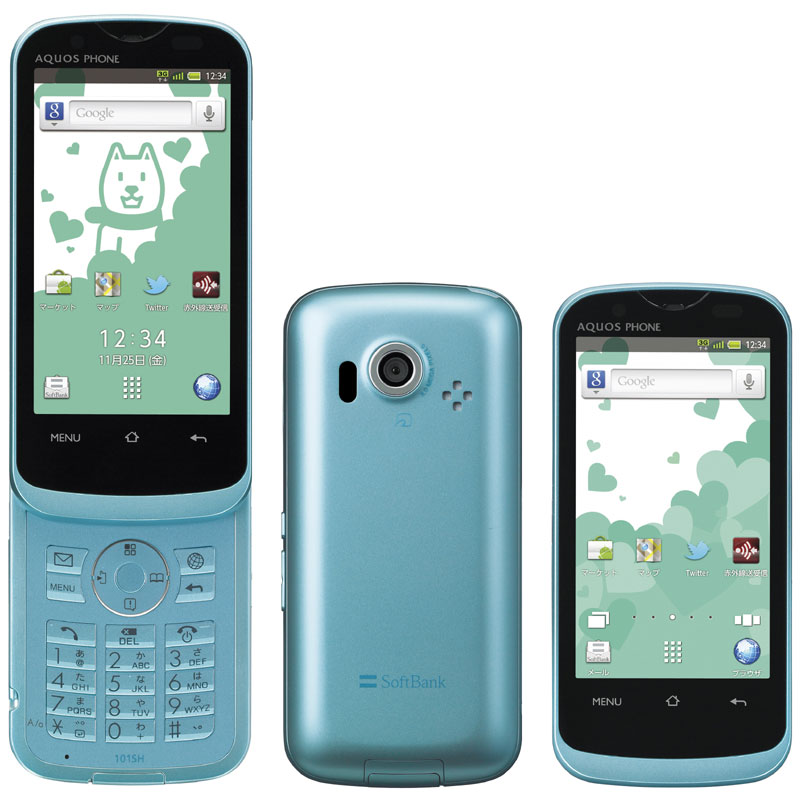
| Disney Mobile Japan Announces Two (Cute) Android Phones Posted: 30 Sep 2011 01:45 AM PDT  Disney, which has been doing business as an MVNO in Japan (Disney Mobile) since 2008, took the wraps off two new Android phones [JP] yesterday. The DM010SH will be rolled out in Japan in October, followed by the DM011SH in December (prices tbd). Technically, the DM010SH is based on the Sharp’s AQUOS 009SH [JP] and features Android 2.3, a 4-inch LCD with QHD resolution, an 8MP CMOS camera, Bluetooth, Wi-Fi, a microSDHC slot, a digital TV tuner, an e-wallet function, infrared communication, etc. The DM011SH is based on Sharp’s AQUOS 007SH, that pretty weird mix between feature phone and smartphone. Specs: Android 2.3, waterproof body, 3.4-inch LCD touchscreen with 854×480 resolution, 16MP CCD camera with 1,280×720 HD video recording, Wi-Fi, Bluetooth, digital TV tuner, e-wallet function, etc. (there’s also a Hello Kitty phone based on this model). Disney Mobile will offer special content with the phones, for example home screens showing Disney characters and icons, a Disney-themed calculator, calendar, alarm clock, and other apps (see below). The company is already selling a Disney Android phone in Japan.
|
| Orange To Bring Sharp 3D Android Phone To Asia And Europe Posted: 30 Sep 2011 01:01 AM PDT  Is this finally the beginning of Japanese Android phones being made available outside their home market? Japan’s biggest mobile carrier NTT Docomo yesterday announced it has inked a deal with French telco Orange to bring a Sharp Android handset to Asia and Europe. The handset in question is a pretty nice one, the AQUOS PHONE SH80F (pictured), that Sharp introduced (together with Docomo) in Japan back in May. In Japan, the device is called “AQUOS PHONE SH-12C” and comes with Android 2.3, two 8MP CMOS cameras, 3D video recording in 720×1280 resolution, a 4.2-inch naked-eye 3D display with 960×540 resolution, Wi-Fi, GPS, Bluetooth, and an HDMI connection. I’m assuming that for the European version, Sharp will axe the infrared connection, e-wallet function, and digital TV tuner (no details yet). Orange says they will introduce the AQUOS PHONE SH80F in France as early as October 6, before rolling it out in “Asia and Europe”. The company has over 200 million customers worldwide. Sharp, the market leader in Japan’s mobile market (over 25% share), has been talking about exporting its handsets for years.
|
| Microsoft Cracks Down On Spammy Windows Phone App Submissions Posted: 29 Sep 2011 02:35 PM PDT 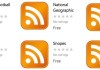 There may be more than 20,000 apps in the Windows Phone Marketplace now, but it seems as though some “developers” are intent on fiddling with the cool-to-crap ratio. As low-quality, low-functionality apps flood the marketplace, Microsoft will be limiting developers to 10 app submissions per day starting tomorrow. Microsoft had previously set the number of apps a developer could have approved in a single day to 20, which was honestly sort of a joke. Sure, it’s entirely possible that some super-motivated developer would want to submit 20 legit apps at the same time, but how likely is that? Or, better question, how good could any of them possibly be? Not very, if the marketplace’s New section is any indication. Those 6 apps you see up top, for example, are just a fraction of the 40 that “developer” Jonathan Toh Jun Hong uploaded between September 22 and 24. As you may be able to guess from the icons, they’re all essentially RSS feeds for a slew of popular sites. While those in and of themselves aren’t terribly harmful, the fact that they were submitted en masse and bury new (and potentially good) apps is. Developers who violate Microsoft’s new rule will have to face a number of penalties, ranging from the “unpublishing of apps” to “temporary or permanent suspension of an offending developer's Marketplace credentials” depending on the severity of the situation. It’s great that Microsoft is taking steps to defend the quality of their marketplace, but I’m not sure dropping the number of allowable submissions per day is going to be enough. It’s a question of scale — if some developers (and I use that term loosely) are capable of cranking out and submitting 20 useless apps within a day, they’ll have no problem doing the same for 10. What’s really needed here is a more stringent approval process that prevents junky apps from making into the market in the first place. With Mango already beginning to hit handsets, Microsoft needs to figure out a better solution and quick.
|
| This Guy Built His Own iPhone 5 “Design Prototype” Posted: 29 Sep 2011 11:25 AM PDT 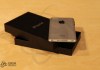 Oh, you think you’re a hardcore Apple fan? Sure, you might have plastered the back window of your hybrid with Apple stickers. Yeah, you’ve got something But this guy milled his own iPhone 5 prototype, based on nothing but rumors and speculation. Just so he could see what it was like. Yeah. Bar raised. The project comes from the guys over at Germany’s Benm.at. They began with some CAD designs, mockups that had been passed around, and the supposed case leaks we’ve seen so much of. They boiled all of that into a 3D model, which they then used to cook up their own “design prototype”. They milled it out of a single piece of aluminum, and even blasted the back with glass pearls to give it the same texture as the back of the iPad. Crazy, right? For obvious reasons (namely, that the guy isn’t.. you know, Apple’s engineering team), the prototype is just for looks — it doesn’t actually function in any way. Of course, odds are relatively good that the actual next iPhone — be it called the iPhone 4S, the iPhone 5, or whatever — won’t look anything like this. For every “Oh my god! Radical new design!” rumor, there’s a “Nope, next iPhone looks exactly the same.” rumor. The rumor mill has spewed out contradicting stories on even the most mundane of details. This “prototype” seems closely based on ThisIsMyNext’s mockup that went around a few months ago; alas, just about every detail of that mockup has been negated by one rumor or another. Fortunately, we won’t have to wait too much longer to see the real deal. You can check out the English project page here for more details and a slick little video. Started by Steve Jobs, Steve Wozniak, and Ronald Wayne, Apple has expanded from computers to consumer electronics over the last 30 years, officially changing their name from Apple Computer, Inc. to Apple, Inc. in January 2007. Among the key offerings from Apple’s product line are: Pro line laptops (MacBook Pro) and desktops (Mac Pro), consumer line laptops (MacBook) and desktops (iMac), servers (Xserve), Apple TV, the Mac OS X and Mac OS X Server operating systems, the iPod (offered with...
|
| Nokia Preparing New “Meltemi” OS For Low-End Phones Posted: 29 Sep 2011 10:01 AM PDT 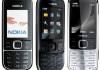 It’s no secret that Nokia has put their faith in Windows Phone 7 to carry their future smartphones, but they haven’t forgotten the millions of customers who count on them for their lower-end handsets. A new report from the Wall Street Journal suggests that Nokia is hard at work on a Linux-based OS codenamed “Meltemi.” This isn’t the first time the Meltemi name has made the rounds: after announcing drastic personnel cuts this past April, Nokia mentioned that the Meltemi project would serve as something of a lifeboat for some of the company’s displaced MeeGo developers. Unlike Samsung’s Bada or the newly announced Tizen platform, Meltemi isn’t meant to be a catch-all OS whose influence will spread beyond phones. Very little is known about the Meltemi project at this point, other than the fact that it’s meant to give their more basic devices a kick in the pants. Still, that hasn’t stopped the speculation machine from drawing connections. Nokia, for example, was rumored to be working on a touch-friendly version of their ubiquitous S40 operating system. If Meltemi turned out to be an extension of that project, it could conceivably give users the best of both worlds: a familar look and useful new functionality like more robust apps and services. While some other companies have begun to focus more on their high-end offerings, Nokia owes quite a bit to their legion of feature phone users. During this past quarter, those handsets accounted for nearly half of the company’s total device-and-service sales. While there’s always a tendency to get wrapped up in the newest, shiniest, fastest devices around here, I think it’s about time that all of Nokia’s low-end phone users get to benefit from an experience that’s closer to what we smartphone folk have enjoyed for years.
|
| StoryDesk Brings Sales Catalogs To The iPad Posted: 29 Sep 2011 09:40 AM PDT  StoryDesk, a tablet publishing platform for enterprise, is today launching its first product called CatalogApp, an iPad application that lets businesses bring their sales catalogs to the tablet computer. The application is designed to be easy to use, even for those without technical expertise. With StoryDesk’s Web-based content management system, CatalogApp users can enter in or even drag-and-drop product information, photos and pricing into the StoryDesk online interface. The changes made are then immediately synced to the iPad application on the end user’s device. To use the app on the iPad, a sales professional logs in with their username and password to access the catalog. After sign in, the catalog is updated if there are pending changes, and its entire contents are cached on the device for offline use. StoryDesk co-founder Jordan Stolper is the former CEO of gliider, a travel research tool whose assets were later acquired by Travel Ad Network in 2010. Says Stolper, who also has a background in journalism, he originally had an idea for a similar system to the current StoryDesk product which would allow reporters to sell their unused content (e.g., their unpublished photos or videos) for a small fee. But once he started blogging about using the iPad as a sales tool earlier this year, he began getting emails. “The market found us,” Stolper explains. Between January and June, he received over 400 in-bound leads, which led him to create CatalogApp, the first of many StoryDesk products that will enable businesses to sell products and services using the tablet form factor. Further down the road, the company will launch another product focused on the service-oriented business space, Stolper says. StoryDesk launched into private beta this June, and now has 300 customers in industries that include pharma, manufacturing, gifts, financial services and agriculture. Starting today, CatalogApp is available for any business for $39 per user per month. Enterprise customers can opt for the white label option plus integration with back-end systems including SAP, Peachtree and QuickBooks. CatalogApp also includes a customizable sales form option which allows for an unlimited number of product variations and SKUs. Adding items to an order from the catalog pages is as easy as tapping a green plus (+) button next to the product’s listing. The sales orders created in the app can then be sent off via email where they’re received in PDF format. For Stolper, StoryDesk isn’t just about building tools for enterprise, it’s about a re-imagining the process of bringing ideas to life. With paper books and catalogs, you have to flip through a number of pages to move from one section to the next, he says. But with the iPad, where navigation is interactive – up, down and side-to-side – that changes. “We have an ability to structure ideas in a way that’s far more like the human mind,” he says. “In 3D.” Stolper is joined by co-founder and VP of Product Michael Romanowicz, and another co-founder who can’t be named because the person may or may not still be employed. The company has taken in an undisclosed, but small, amount of external capital. There are now 10 employees based in New York, and the company is now hiring.
|
| The Best (Fake) iPhone 5 Video Yet Posted: 29 Sep 2011 09:40 AM PDT 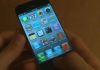 Really? Could this video really show the iPhone 5? Probably not. The video’s authenticity is tipped by several subtle clues. But the video is still worth watching. The creator clearly knows his way around video editing software and deserves major props for this timely video. It’s good and I want it to be real. The hints are subtle and a few could be just artifacts of the low-quality recording. For instance, the size of bezel on either side of the screen seems to slightly shrink and grow throughout the video. The user’s finger placement is also relative to the iPhone 4′s smaller 3.5-inch screen. He seems to unlock the phone and launch apps by using a screen smaller than what’s shown in the video. Finally, as GSMarena notes, the dates on the home screen and lock screen do not match and the game starts prior to the user hitting the screen. So yeah, the video is clearly not real. Or the video could just be an attempt to hype the game: ECA Rock(s) Rider. Apple is set to announce the next iPhone this coming Tuesday and edge-to-edge glass is one of the major rumors concerning the next release. Most other rumors point to a completely redesigned casing as well, but as shown in this fake video, a larger screen is completely possible in the current iPhone frame. And it looks great, too.
|
| GetJar Gold Gives Away $1 Million In Free Apps Posted: 29 Sep 2011 08:40 AM PDT  Earlier this month, third-party mobile app store GetJar announced the public launch of its GetJar Gold Program (previously in beta), a catalog of premium Android applications made available for free. Today, the company is providing an update on the catalog’s success: over $1 million in free applications have been downloaded in the three weeks post-launch, Get Jar says. It has also spurred an increase in GetJar’s free app downloads, too – a 5000% increase, in fact. The GetJar Gold Program is interesting, especially in terms of how it compares to Amazon’s Android App Store. Where Amazon offers a time-limited "free app of the day" to Android users, GetJar instead provides an entire catalog of paid Android applications for free. Like Amazon, GetJar vets the apps for quality (they must be at least 4-star) and it requires they are ad-free. At launch, the store had 50 titles available, including Fruit Ninja THD, Age of Zombies, TuneIn Radio Pro, Solo, and Splashtop Remote Desktop. Since then, GetJar has added new program members like BBC Worldwide (Top Gear), Gamelion (Doodle Fit), Konami's (Krazy Kart Racing), Imperio, Handy Games “Guns 'n' Glory,” Herocraft's “Farm Frenzy” and TouchType's “SwiftKey X.” GetJar Gold makes the apps available for free to users, while paying the developer per download on a consignment style basis. The company itself generates revenue by offering sponsored listings within GetJar Gold to other application developers. Using a model similar to Google AdSense, developers bid on how much they are willing to pay per install. The bids can be as low as 1 cent or as high as $1.50 to $2.00 per user. The higher the bid, the higher the ranking in the GetJar Gold search results. Also like Google, sponsored apps are clearly labeled and highlighted using a different color (blue). The GetJar CEO Ilja Laurs says that Gold has been the most successful program in the company’s history, which is not surprising, given how much Android users like their free apps. GetJar Gold is available on the GetJar.com website and mobile site.
|
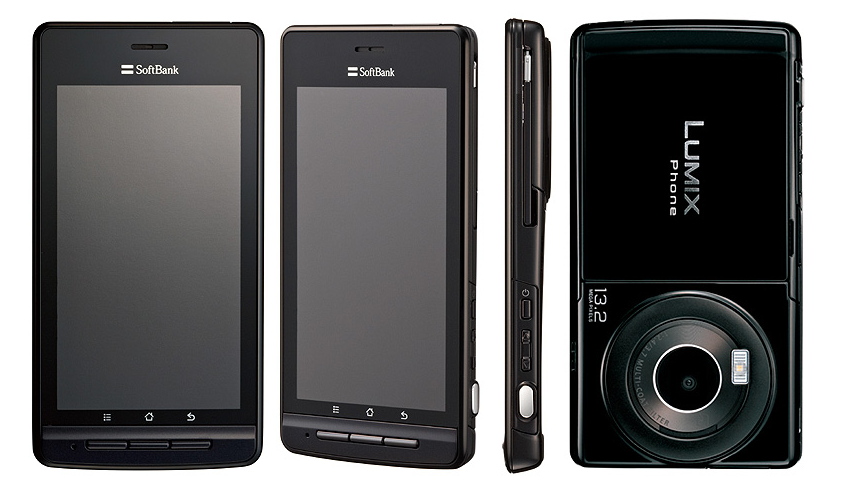
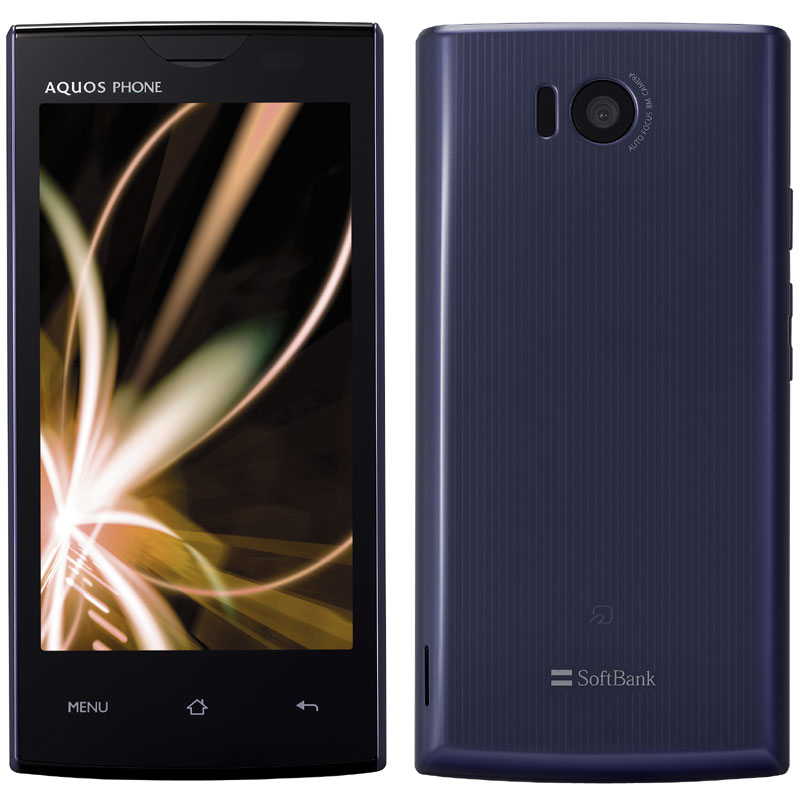
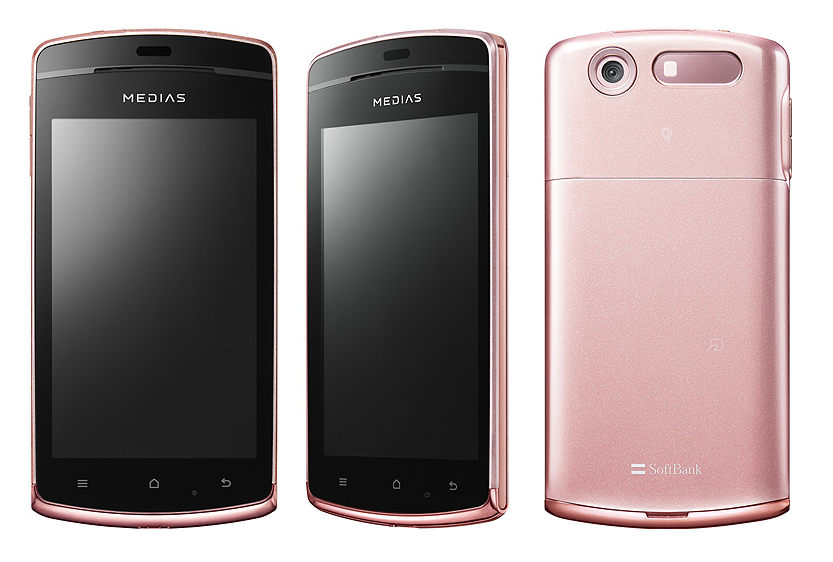
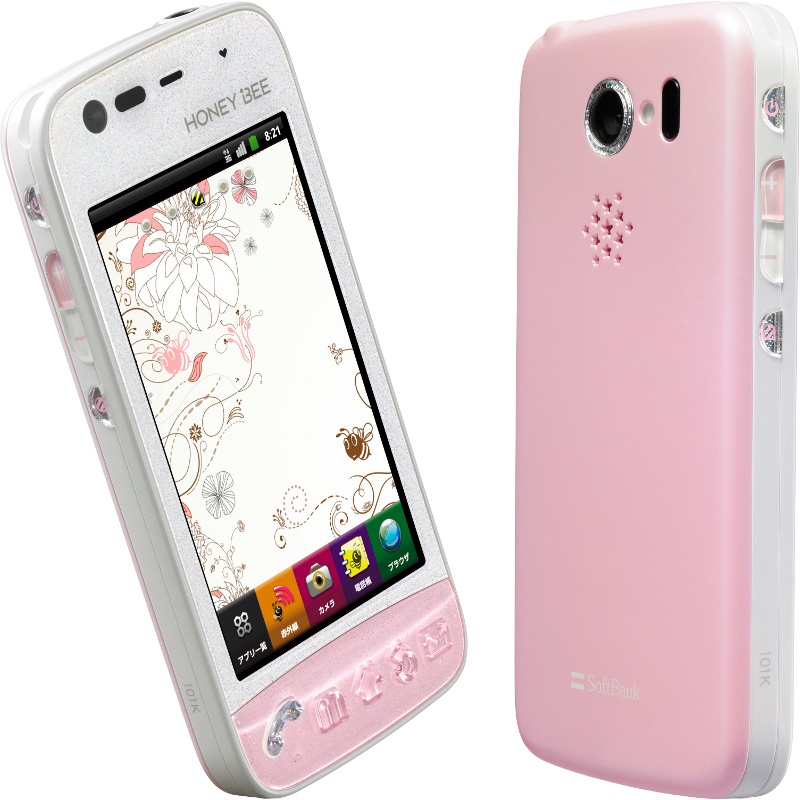
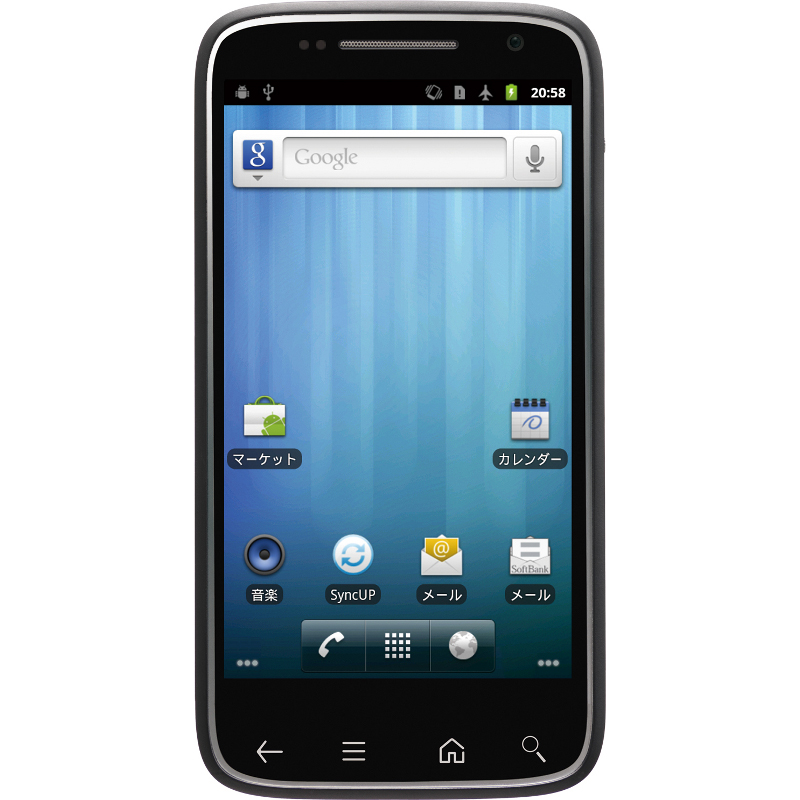
| 9 Android Phones For Japan: SoftBank’s Entire Fall/Winter Line-up Posted: 29 Sep 2011 08:25 AM PDT 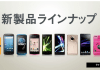 We’ve already shown you the three coolest smartphones Japanese carrier SoftBank announced for its home market today, the LUMIX Phone 101P from Panasonic, Sharp’s AQUOS PHONE 102SH, and the DELL STREAK PRO 101 DL. But SoftBank actually introduced a total of nine new Android models today (plus a feature phone). Here’s the carrier’s entire fall/winter line-up for the Japanese market: Sharp AQUOS PHONE THE HYBRID 101SH Sharp AQUOS PHONE 103SH Sharp AQUOS PHONE 104SH NEC MEDIAS CH 101N Kyocera HONEY BEE 101K DELL STREAK PRO 101DL ZTE STAR7 009Z PANTONE 4 105SH
|
| Q: When Will Quora Release An iPhone App? A: Now. Posted: 29 Sep 2011 08:00 AM PDT  Quora can be an addiction. You visit the site just to see what’s going on, 30 minutes later you’re still there. Today, the addiction goes mobile. Finally. The service has just released their first iOS native app. Tailored for the iPhone and iPod touch, I can safely say that it’s awesome. I’ve been testing it out for the past few days, and my own personal usage of the service has already skyrocketed. Why? A few reasons. First, the app is fast — really fast. “That was one of our top two or three goals from the beginning,” co-founder Charlie Cheever says. He notes that they achieve speeds better than you see on their site because they made a few trade-offs in terms of live updates and overall content. But they’re also doing a lot of pre-fetching, guessing what you might look for next. Personally, I love that you can hop from stream to question page and back again without having to reload everything as you do on the web. The second thing I love about the app is that it’s location-aware. Quora recently turned on the location element of the service, and the app takes full advantage of it. Clicking on the “Nearby” tab brings up a list of topics in the area around your current location. This will be fantastic for traveling. The third thing is push notifications. If I ask a question, I want to know when I get an answer. But I don’t want to sit around at my computer all day waiting. The iPhone app gives you a good way to untether yourself. There are notifications for other actions on the service as well. “We try to strike the right balance between letting you know about important and interesting things on Quora that you would want to know about and not overwhelming you and blowing up your phone at all hours,” Cheever notes. Searching, writing a post, and adding a question are all in the same middle tab. “That’s been a tricky interface to get right,” Cheever concedes. But it works pretty well. When you go to add a question, you first must search to make sure it doesn’t already exist, just like on the site. When you add the question, you can easily tweet out, send to Facebook, etc. Another great feature unique to mobile: Shuffle. When you hit the bottom of your main Quora feed, you’ll notice an option to “Load More…” or “Shuffle”. Clicking on Shuffle takes you to a random question. “It’s kind of bottomless,” Cheever jokes. Right now, the shuffle is totally random, but Quora is thinking about tailoring it to your likes eventually. The app was built by a couple of Quora employees (one engineer and one designer) over the course of a few months. Yes, it’s iOS-only for now. “We get a lot of traffic to our website from iPhones, so that made sense,” Cheever says. You can read more about the new app here. And you can find it here. Click to view slideshow.Quora, founded in June 2009, first launched in private beta in January 2010. Quora is a continually improving collection of questions and answers created, edited, and organized by everyone who uses it. The most important thing is to have each question page become the best possible resource for someone who wants to know about the question. One way you can think of it is as a cache for the research that people do looking things up on the web and asking...
|
| New NFC Spec Makes It Easier To Swap Contacts, Save Data To Phones Posted: 29 Sep 2011 07:25 AM PDT  Mobile users with NFC-enabled devices will no longer need a special application in order to exchange contact details or other types of data between their phones thanks to a new NFC specification which has just been released. The non-profit industry association The NFC Forum has published its 16th specification today, this latest being a standardization of the Simple NDEF Exchange Protocol (SNEP) to use peer-to-peer mode for data exchanges. For users, this means less compatibility problems between devices, and for mobile app builders, it means simplified development. Without getting overly technical (the full spec is available here, if interested), the new specification extends the NFC data exchange format (NDEF), which previously described how data, like a website URL for instance, would be moved from an NFC tag to a NFC-enabled phone by tapping or waving a mobile device within close proximity to the tag. NFC, or “near field communication,” refers to the wireless technology that allows data exchange over short distances. It’s the backbone to the many upcoming mobile wallet systems, like Google Wallet, Visa’s wallet or the carrier-led initiative Isis, which just announced partnerships with all major Android device manufacturers. With the new specification, devices from different manufacturers would be interoperable when it came to exchanging data. That means, for example, assuming the iPhone 5 includes NFC, you could tap your iPhone to an Android user’s phone to exchange contact info, pictures, URLs, or any sort of supported data. And you wouldn’t necessarily need a special app to do so, although apps like Bump at least provide an attractive front-end to the data exchanging experience. (Bump does not use NFC currently, but it could support it in the future, if the developers chose). Instead, the data-exchange via NFC option could be built into the OS, similar to how Bluetooth is made available today. The NFC Forum suggests contact exchanges as one possibility for the new spec’s use, in addition to “collecting movie posters for later use.” That is, a mobile user could tap posters with NFC tags while walking by and later tap their NFC-enabled TV to watch the trailers they saved. (Yes, please!) That said, support for NFC is still years out, according to most forecasts, and until Apple’s announcement next month, we don’t know if the iPhone 5 will include the technology. Still, there’s a lot of momentum in the space, and the reactionary nature of the Isis announcement seems to imply Apple’s forthcoming participation. Good news, then, that the new (fingers crossed!) NFC-enabled iPhones will now be able to work with my Nexus S.
|
| T-Mobile Joins Verizon, Takes Samsung’s Side In Apple Patent Suit Posted: 29 Sep 2011 07:06 AM PDT  It looks as though the carriers are ready to weigh in on the Apple vs. Samsung case, with Verizon and T-Mobile both voicing their opinions over the past week. Since the original showdown in April — when Apple sued Samsung over Galaxy tablets and smartphones — Apple has had the upper-hand, winning an injunction against the Galaxy Tab 10.1 in Germany, delaying the same GalTab multiple times in Australia, and winning a preliminary injunction on three Galaxy smartphones in the Netherlands. After watching the events play out, Verizon and now T-Mobile have said that they play for Samsung’s team, and would like to keep Samsung’s products on their shelves. On Monday, Verizon filed paperwork with the Northern District Court of California saying that a ban on Samsung products, or Apple’s efforts to do so, would hurt the carrier’s ability to roll out its 4G LTE network. “That investment depends on consumers having access to devices that can make use of that network,” Verizon said in the filing. “The accused Samsung devices are among the few products that can access Verizon Wireless’s next-generation high-speed network.” On Wednesday T-Mobile followed suit, filing its own paperwork with the court asking that Samsung products be left alone, reports Reuters. T-Mobile’s main concern, according to the filing, is holiday sales this year. The pink carrier “prominently features” the Galaxy Tab 10.1 and Galaxy S II in its marketing campaigns, says the filing, and an order in Apple’s favor would “unnecessarily harm” T-Mobile and T-Mo customers. “At this late date, T-Mobile could not find comparable replacement products for the 2011 holiday season,” said T-Mobile in the filing. “These investments cannot be recouped easily.” After six months of world-wide bickering between Apple and Samsung, and countless other patent wars spring up all over the place, the carriers are surely getting worried about how these cases may affect their businesses. The court is expected to make a ruling on October 13. T-Mobile is a mobile telephone operator headquartered in Bonn, Germany. It is a subsidiary of Deutsche Telekom. T-Mobile has 101 million subscribers making it the worlds sixth largest mobile phone service provider globally. Verizon Communications Inc. delivers broadband and other wireline and wireless communication innovations to mass market, business, government and wholesale customers. Verizon Wireless operates America’s largest wireless network that serves nearly 102 million customers nationwide. Verizon’s Wireline operations include Verizon Business and Verizon Telecom, which brings customers converged communications, information and entertainment services over Verizon’s fiber-optic network.
|
| Priceline Jumps Into Daily Deals Space (Actually, Nightly Deals Space) Posted: 29 Sep 2011 06:46 AM PDT  Travel discounter Priceline.com is launching a new daily deals service aimed at helping users find cheap hotel rooms. (Or maybe it would be more accurate to call it a “nightly” deals service?) Starting today, same-day offers for heavily discounted hotel rooms will become available in Priceline’s “Hotel & Rental Car Negotiator” app at 11 AM local time and can be instantly booked up until 11 PM, or until the deal sells out. To be clear, Priceline isn’t using the group-buying model of Groupon here, which requires that a certain number of people sign up for a deal in order for it to “tip” (meaning become active.) But it certainly is tapping into the instant gratification from discount fervor that services like Groupon, Living Social and others offer. The deals will show up in the mobile app when a traveler does a search for hotel rooms with a check-in date of “today.” When they buy a deal, they can choose to check-in that day, and stay up to 4 nights at discounts of up to 35% off published prices, says Priceline. The app will also show hotel descriptions, maps, photos, ratings and the current discount rate. Priceline SVP Marketing John Caine says that the discounter decided to go after the daily deals market after discovering that 70% of Priceline’s mobile customers were looking for same-day check-ins. Starting today, 3-star and 4-star rooms will be available via the new service in 34 cities across the U.S., including Atlanta, Boston, Chicago, Dallas, Denver, Ft. Lauderdale, Honolulu, Houston, Las Vegas, Los Angeles, Miami, New Orleans, New York, Phoenix, Portland, San Antonio, San Diego, San Francisco, Santa Fe and Washington, D.C. More cities will be added in the future. The Priceline mobile app is available in iTunes and the Android Market. Update: A top Priceline competitor in this space, Hotel Tonight, has just announced that it’s expanding into 14 more markets from the original 23. Good timing! Priceline gives travelers the inside track to travel deals and discounts. With their exclusive deal search technology, priceline aims to deliver more ways to save on airline tickets, hotel rooms, rental cars, vacation packages and cruises than anyone else.
|
| You are subscribed to email updates from TechCrunch » Mobile To stop receiving these emails, you may unsubscribe now. | Email delivery powered by Google |
| Google Inc., 20 West Kinzie, Chicago IL USA 60610 | |